Hey friends! Let’s talk money today. Not the kind you blow on impulse buys (hello, that unnecessary 12th coffee mug), but the kind you grow. The goal? A portfolio that’s more than just numbers—it’s a steady, hardworking teammate helping you live your best life.
If you’re sitting there thinking, “I have no idea where to start,” you’re not alone. I’ve been there, too—trial, error, and some facepalms later, I figured out how to make my money work smarter. Let’s break it down, step-by-step, and I’ll even throw in real-world example portfolios so you can see how this works in action.
What’s a Portfolio, and Why Does It Matter?
Your portfolio is your financial buffet—diverse, balanced, and designed to keep you full (read: secure and growing). A good portfolio protects you from life’s ups and downs, grows steadily over time, and lets you sleep peacefully at night, even when markets go wild.
Crafting Your Dream Portfolio
1. Diversify Like You’re Assembling a Thali
A thali has a bit of everything—dal, sabzi, roti, even a pickle for a kick. Your portfolio needs the same variety to balance risk and growth.
Example: A balanced portfolio for a 30-year-old might look like this:
- 50% in Mutual Funds (growth and equity funds)
- 20% in Fixed Deposits or PPF (for stability)
- 15% in ETFs (low-cost exposure to stocks)
- 10% in Gold or Sovereign Gold Bonds (to hedge against inflation)
- 5% in REITs (real estate, without actually buying property)
Why this works: The mutual funds and ETFs push growth, the FDs and PPF add safety, and gold/REITs keep the portfolio stable.
2. Know Your Risk Appetite (a.k.a. Are You the Thrill-Seeker or the Safe Player?)
Your risk tolerance is like your spice tolerance. If you’re young and can handle some financial “heat,” equities and aggressive funds are your best friends. If you’re closer to retirement, think milder, like bonds and fixed deposits.
Example:
- For a 25-Year-Old Beginner:
- 60% in equity mutual funds
- 20% in PPF or EPF (safe savings with tax benefits)
- 10% in gold (for stability)
- 10% in NPS (long-term retirement savings)
- For a 50-Year-Old Planning Retirement:
- 50% in bonds or fixed deposits (stable and safe)
- 20% in equity funds (for controlled growth)
- 20% in PPF or NPS (long-term stability)
- 10% in gold or real estate
3. Compounding: The Magic Money Multiplier
Compounding is when your money earns money, and then that money earns more money. The earlier you start, the bigger the snowball gets.
Example: If you invest ₹5,000 a month in an equity mutual fund with an average return of 12% per year:
- In 10 years, you’ll have ₹11.6 lakhs.
- In 20 years, that grows to ₹50.6 lakhs.
- In 30 years, it balloons to ₹1.76 crore!
Lesson? Time is your best friend, so don’t wait. Start with whatever you can today.
4. Inflation-Proof Your Portfolio
Inflation is the villain that shrinks your money’s value over time. Your ₹100 today might only buy you ₹80 worth of stuff tomorrow. To beat it, invest in growth assets like equities and real estate.
Real-Life Portfolio Examples
Portfolio for the Beginner Investor
- 60% Equity Mutual Funds (SIPs in large-cap or index funds)
- 20% PPF (tax benefits and guaranteed returns)
- 10% Gold ETFs or Sovereign Gold Bonds
- 10% Liquid Mutual Funds (for emergencies)
Portfolio for the Ambitious Goal Setter (30s to 40s)
- 50% Equity Mutual Funds (mix of large-cap and mid-cap funds)
- 25% Bonds or NPS (stable, long-term growth)
- 10% Gold (to hedge inflation)
- 10% REITs (real estate exposure without buying property)
- 5% in an International Fund (to diversify beyond India)
Portfolio for the Cautious Near-Retiree (50s+)
- 50% Bonds or Fixed Deposits (stability and liquidity)
- 20% PPF or NPS (long-term safety)
- 15% Equity Mutual Funds (low-risk funds)
- 10% Gold (stability)
- 5% Liquid Funds (for emergencies)
Lessons I Learned (So You Don’t Have To)
- Always, ALWAYS have an emergency fund. Life is unpredictable, and you’ll thank yourself when a rainy day comes.
- Don’t underestimate the power of small investments. Even ₹1,000 a month can snowball into something significant.
- Health insurance isn’t optional. It’s your financial shield in emergencies.
Your Turn to Build Your Financial Future
The journey to financial health starts with one step: action. Whether you’re a beginner or a pro, the key is to start today, even if it’s small. And if you’re feeling overwhelmed, don’t worry—I’ve got your back.
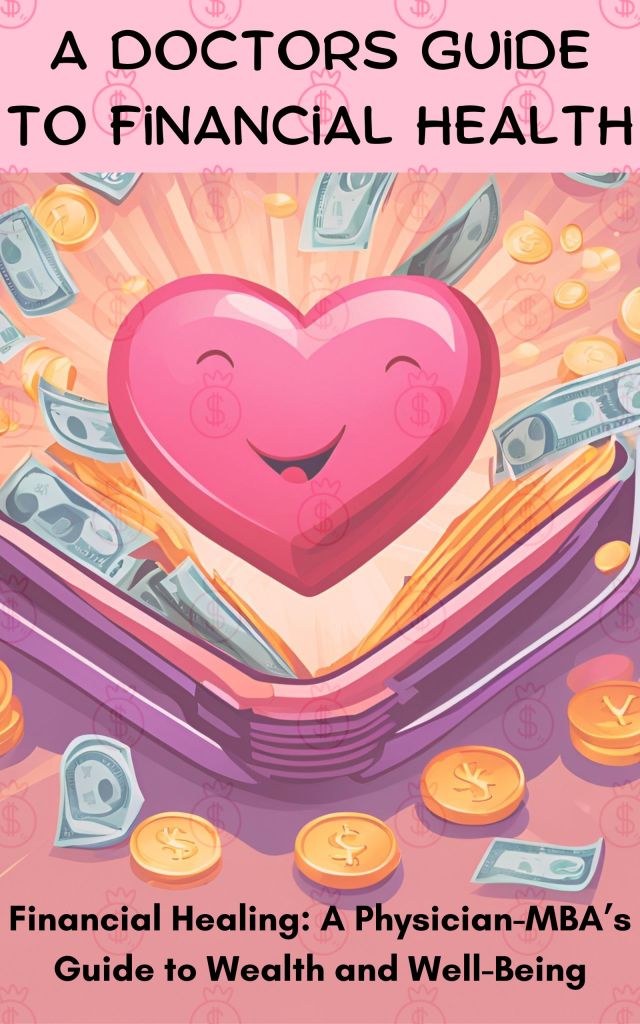
I’ve packed all my tips, lessons, and easy-to-follow strategies into my book A Doctor’s Guide to Financial Health. And it’s now available for just ₹99—because I believe good advice shouldn’t cost a fortune.
👉 Click here to grab your copy!
Let’s build a portfolio that works as hard as you do, so you can sit back, relax, and watch your dreams unfold. You’ve got this! 💪
 Dear Friend
Leave a comment