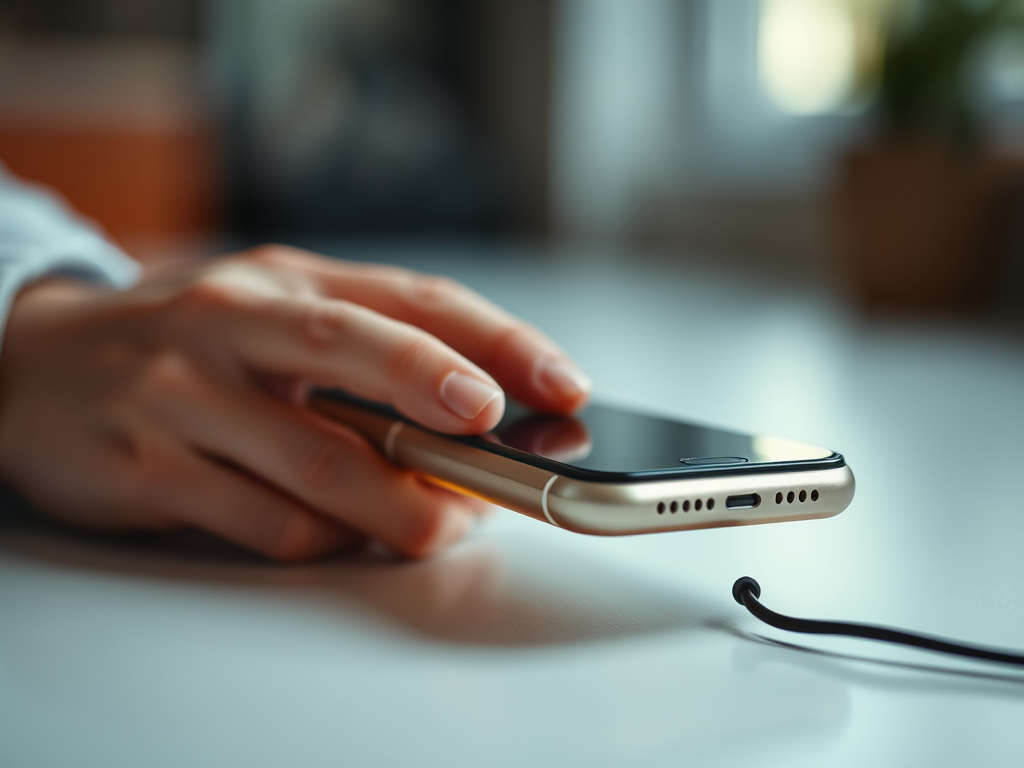
Last night, I missed an emergency call from my uncle at the airport. My phone was on silent mode, and by the time I saw his messages, he had already sorted things out. He’s safe now, but am I? Because let me tell you—guilt is a heavy, itchy sweater that I did not ask to wear.
As a doctor, I pride myself on being available for emergencies 24/7. But do you know what my phone thinks is an emergency?
📲 “Buy one pizza, get another free! Offer expires in 10 minutes!”
📲 “GOOD MORNING 🌞 Stay blessed and be kind 🙏” (Sent at 4:57 AM—why?!)
📲 “Sir/Ma’am, we have a pre-approved loan for you!”
📲 “New reel just dropped—Dog dancing to Bollywood beats!”
And the WhatsApp groups? My God, the WhatsApp groups! They start with relevant discussions and end in forwarded nonsense, unsolicited life advice, and links to videos no one asked for. Medical reps sending drug ads? Spam calls about offers I’ll never use? Travel apps begging me to book a trip while I’m just trying to get through my 12-hour shift? It’s too much.
Meanwhile, when real emergencies happen—my brain is like, “Oops, missed that. Hope it wasn’t important.”
Technology is Smart. Why Isn’t It Smarter?
I don’t want to block notifications completely because, obviously, I need to be reachable. But 90% of my phone’s buzzing is junk—things that don’t need my immediate attention. Meanwhile, the 10% that does—like a family emergency or a patient needing urgent advice—gets lost in the chaos.
How is it that in 2025, we have AI generating art, writing code, and probably plotting world domination, but we still don’t have an app that can separate “Uncle stuck at the airport, needs help” from “Your package is out for delivery”?
A Rescue Plan for Emergency Professionals (or Anyone Who’s Done with Digital Garbage)
Since technology isn’t perfect yet (seriously, someone invent the “Wake me up only for life-saving emergencies” app), here’s what I’m doing to minimize the madness:
1. Use “Do Not Disturb” Wisely
Most phones let you customize who can bypass silent mode. Set up emergency contacts (family, close friends, workplace) who can always get through, even at 3 AM. Everyone else? They can wait.
2. Filter Notifications Like a Pro
- Turn off non-essential alerts (shopping apps, food delivery, and whatever nonsense LinkedIn is pushing today).
- Mute WhatsApp groups that serve no real purpose. The “Happy Monday” brigade will survive without your acknowledgment.
- Use email filtering so urgent work emails pop up, but the ones about “team-building webinars” don’t.
3. Set Up a VIP List for Calls
Some phones and apps (like Truecaller) allow VIP lists—only calls from these numbers will ring. Everyone else? Straight to voicemail. I’ll check when I check.
4. Use AI Call Screening
Many newer phones have built-in spam detection (Pixel, iPhone, Samsung). Let AI deal with scammers and only pass through real humans.
5. Train Your People
Tell family, friends, and colleagues: Emergencies = Call. Everything else = Text. No one’s life was ever saved by a forwarded life quote.
6. Get a Separate Emergency Phone
Extreme but effective—one phone purely for personal and work emergencies, one for all the “Buy this now!” garbage. Keep the emergency phone loud and near you.
Final Thoughts: We Need a Smarter System
Look, I love technology. I appreciate that my phone can do a million things. But what I really need is a system that values human urgency over corporate urgency. My uncle’s call? Urgent. My bank’s “exclusive limited-time loan offer”? Not urgent. Not even a little bit.
Until someone builds the AI that knows the difference, we’re stuck playing digital gatekeeper. And honestly? I’d rather be saving lives than filtering WhatsApp nonsense.
So, if someone out there is working on an app that only wakes me up for real emergencies, please DM me. Because until then, I’ll be over here—missing the important stuff while Swiggy yells at me about discounted biryani.
 Dear Friend
Leave a comment