• How to Find Your People (Because Feeling Like a Lone Alien at Work Is Exhausting)

    February 3, 2025
    friendship, journal, life

    Okay, confession time: I’ve been feeling like an outsider at work lately. You know that feeling when you walk into a room, and everyone already seems to have their people—inside jokes, shared lunches, synchronized coffee runs—while you’re just standing there, clutching your sad little sandwich, pretending you love eating alone? Yep, that’s me.

    And look, I’m an independent, fully functional adult (most days). I can do my job, send my emails, and even laugh politely at the boss’s aggressively unfunny jokes. But deep down, I know something’s missing. It’s not just about having coworkers; it’s about having your people—those magical beings who make you feel seen, supported, and like you belong.

    So, how do you find them? Well, grab your metaphorical flashlight, fellow explorer, because we’re going people-hunting.

    1. Accept That You Are Not for Everyone (And That’s Okay!)

    First things first—if you feel like an outsider, it’s not because you’re broken. It’s just that your brand of humor, energy, and weird snack preferences (cold pizza and peanut butter, anyone?) may not immediately match those around you. And that’s FINE. The goal isn’t to force yourself into friendships that feel like ill-fitting jeans. The goal is to find your people, the ones who get your weirdness and match your energy.

    2. Identify the Kindred Spirits (a.k.a. The Ones Who Laugh at the Same Dumb Things You Do)

    Start observing. Is there someone who also sighs dramatically in meetings? Who gives you the same I-can’t-believe-we’re-doing-this look when tasks get ridiculous? Who also hides in the break room for a little silent screaming time? These are signs of potential friendship. Seek them out. Maybe they, too, are wandering the workplace desert looking for an oasis of human connection.

    3. Take Tiny Social Risks (Without Overthinking Every Move Like a Maniac)

    Friendships don’t happen magically. You have to put yourself out there. This could be as simple as:

    • Casually joining a conversation (without feeling like an uninvited ghost).

    • Dropping a lighthearted comment in a group chat.

    • Suggesting a coffee run or grabbing lunch together.

    • Complimenting their desktop background and seeing if it leads to an actual conversation (if they have a cat picture, boom, instant bonding opportunity).

    If it works out? Great! If not? At least you tried, and now you know where not to invest your precious social energy.

    4. Find Common Ground (Because Trauma-Bonding Over Work Struggles Is a Thing)

    Sometimes, the best friendships are forged in the fires of shared suffering. Long meetings, impossible deadlines, ridiculous workplace policies—complaining about these together? That’s a bonding moment. So if all else fails, lean into workplace woes. Just make sure you’re not venting to the office snitch.

    5. Be the Friend You’re Looking For

    Maybe someone else is feeling exactly how you feel—disconnected, awkward, low-key lonely. Be the person who makes them feel welcome. Smile. Invite them to something. Crack a joke. Friendship is like planting seeds—you might not see immediate results, but over time, those little efforts grow into something solid.

    Why This All Matters (And Why We Can’t Just Be Lone Wolves Forever)

    Listen, life is so much better when you have people who get you. Work is easier when you can share a knowing eye-roll with a friend across the room. Stress is more bearable when you can vent to someone who understands. Even the most mundane office moments become fun when you have your people.

    So if you, like me, are feeling a little lost in a sea of acquaintances, don’t give up. Your people are out there. And the beautiful thing? Once you find them, you realize you were never really alone—you just hadn’t met your team yet.

    Now, if you’ll excuse me, I’m off to lurk by the coffee machine and casually see if anyone wants to talk about their weekend. Wish me luck.


    No comments on How to Find Your People (Because Feeling Like a Lone Alien at Work Is Exhausting)

  • Why We Need God: A Reflection on Fear, Strength, and Surrender

    February 2, 2025
    journal, life

    There are moments in life when we try to be strong—strong for ourselves, strong for others, strong because the world expects us to be. We put on a brave face, push through the chaos, and pretend we have it all together. But deep down, there are days when we feel like we’re losing grip, like the weight of it all is just too much.

    I found myself in that space recently. You know, that place where you’re scared, exhausted, and wondering how much more you can handle. The kind of fear that doesn’t just sit in your mind but wraps itself around your bones, making them feel heavy. I tried all the usual things—logic, distraction, pep talks in the mirror. But nothing quite settled the storm brewing inside me.

    So, I did something I hadn’t done in a long time. I went to a temple.

    Now, I don’t know what your relationship with faith looks like. Maybe you pray every day. Maybe you only call on God when your WiFi goes out during an important meeting. Or maybe you don’t believe in anything at all, and that’s okay too. But here’s what I realized as I sat in the quiet stillness of that temple: we all need something greater than ourselves to lean on.

    The Limits of Human Strength

    There’s a reason why, when we’re overwhelmed, our instincts lead us to look beyond ourselves. We say things like, “I hope things get better.” But hope is, in itself, a prayer. Even those who don’t believe in God often look to the universe, fate, or some unseen force to guide them. Because deep down, we know we’re not built to carry everything alone.

    Think about the hardest moment in your life. Maybe it was losing someone you loved, a betrayal that broke you, or a dream that slipped through your fingers despite your best efforts. Did sheer willpower carry you through? Probably not. What did? Maybe it was faith. Maybe it was the belief that something greater was at play, that this pain had a purpose, that you were being led somewhere—even if you couldn’t see it yet.

    God as a Source of Comfort

    When I sat in that temple, I didn’t expect answers. I didn’t expect some booming voice from the heavens to tell me what to do next. But what I did find was peace. A stillness that reminded me I wasn’t alone.

    And I think that’s why we need God—not just in moments of crisis, but in everyday life. Because no matter how strong, smart, or successful we are, we all crave that sense of being held. We need to know that when we reach the end of ourselves, there is still something left—a force that carries us when we can’t carry ourselves.

    Examples of Faith in Action

    You see it everywhere:

    • A mother who has lost her child but still gets up every morning, believing she will see them again one day.

    • A person battling an illness who, despite everything, chooses to believe in healing.

    • Someone who has been hurt but still dares to love again, trusting that pain isn’t the end of their story.

    Faith isn’t about never feeling lost or afraid. It’s about having a place to take those fears—a way to surrender what we cannot control.

    Surrender Isn’t Weakness

    There’s a misconception that faith is for the weak. That asking for help—whether from God or from people—is a sign of failure. But let me tell you something: real strength is knowing when to surrender.

    If you’re carrying something too heavy right now, I hope you know it’s okay to set it down. It’s okay to whisper a prayer, even if you’re not sure who’s listening. It’s okay to admit that you can’t do it all alone. None of us can. And that’s exactly why we need God.

    Because when we finally let go, we realize something beautiful—we were never meant to hold it all in the first place.

    No comments on Why We Need God: A Reflection on Fear, Strength, and Surrender

  • Navigating a Bear Market: Strategies for Investors

    January 28, 2025
    finance

    A bear market, typically defined as a decline of 20% or more from recent highs in stock prices, can be a daunting experience for investors. Characterized by widespread pessimism, declining asset values, and economic uncertainty, bear markets test the resilience and discipline of even the most seasoned investors. However, with the right mindset and strategies, investors can not only survive but also position themselves to thrive when the market eventually recovers. Here’s a comprehensive guide on how to navigate a bear market.


    1. Understand the Nature of Bear Markets

    Bear markets are a natural part of the economic cycle. They are often triggered by factors such as economic recessions, geopolitical tensions, rising interest rates, or overvalued markets. Historically, bear markets have been shorter in duration than bull markets, with an average length of about 9.6 months, compared to the average bull market duration of 2.7 years. Understanding that bear markets are temporary can help investors maintain perspective and avoid panic-driven decisions.


    2. Avoid Emotional Decision-Making

    Fear and uncertainty are hallmarks of bear markets, and emotional reactions can lead to costly mistakes, such as selling investments at a loss or abandoning a long-term strategy. To combat this:

    • Stay disciplined: Stick to your investment plan and avoid making impulsive decisions based on short-term market movements.
    • Focus on the long term: Remember that markets have historically recovered and gone on to reach new highs.
    • Limit exposure to negative news: Constant exposure to pessimistic headlines can amplify fear. Stay informed but avoid overconsumption of media.

    3. Reassess Your Portfolio

    A bear market is an opportune time to review and rebalance your portfolio:

    • Diversify: Ensure your portfolio is well-diversified across asset classes, sectors, and geographies to reduce risk.
    • Rebalance: Sell overperforming assets and buy underperforming ones to maintain your target asset allocation.
    • Quality over quantity: Focus on high-quality investments with strong fundamentals, such as companies with solid balance sheets, competitive advantages, and reliable cash flows.

    4. Consider Defensive Investments

    During a bear market, defensive sectors and asset classes tend to outperform. These include:

    • Consumer staples: Companies that provide essential goods and services, such as food and healthcare, are less sensitive to economic downturns.
    • Utilities: Utility companies often perform well during market declines due to their stable earnings and dividends.
    • Bonds: Fixed-income investments, particularly government bonds, can provide stability and income during volatile periods.

    5. Take Advantage of Dollar-Cost Averaging

    Dollar-cost averaging (DCA) involves investing a fixed amount of money at regular intervals, regardless of market conditions. This strategy can be particularly effective during a bear market because:

    • It reduces the impact of market timing.
    • It allows investors to buy more shares when prices are low, lowering the average cost per share over time.

    6. Look for Opportunities

    Bear markets can present unique opportunities for savvy investors:

    • Bargain hunting: High-quality stocks may become undervalued, offering attractive entry points for long-term investors.
    • Dividend yields: As stock prices fall, dividend yields may rise, providing an opportunity to lock in higher income.
    • Tax-loss harvesting: Selling losing investments to offset capital gains taxes can be a smart strategy, but be mindful of wash-sale rules.

    7. Strengthen Your Financial Position

    A bear market is a good time to focus on your overall financial health:

    • Build an emergency fund: Ensure you have enough cash reserves to cover 3-6 months of living expenses.
    • Reduce debt: Pay down high-interest debt to improve your financial flexibility.
    • Avoid over-leveraging: Be cautious about taking on new debt or using margin to invest.

    8. Stay Educated and Adapt

    Market conditions are constantly evolving, and staying informed is crucial:

    • Learn from history: Study past bear markets to understand how they unfolded and how investors responded.
    • Seek professional advice: A financial advisor can provide personalized guidance tailored to your goals and risk tolerance.
    • Adapt your strategy: Be willing to adjust your approach as new information becomes available.

    9. Prepare for the Recovery

    While it’s impossible to predict the exact bottom of a bear market, history shows that recoveries do occur. To position yourself for the eventual upturn:

    • Stay invested: Missing out on the early stages of a recovery can significantly impact long-term returns.
    • Reinvest dividends: Reinvesting dividends during a downturn can accelerate portfolio growth when the market rebounds.
    • Maintain a positive mindset: Focus on the opportunities ahead rather than the challenges of the present.

    10. Remember: Bear Markets Are Temporary

    Bear markets, while painful, are a normal part of the investment cycle. They often serve as a reset for overvalued markets and create opportunities for disciplined investors. By staying calm, sticking to your plan, and focusing on the long term, you can navigate a bear market successfully and emerge stronger on the other side.


    Final Thoughts
    Navigating a bear market requires a combination of discipline, patience, and strategic thinking. While it’s natural to feel uneasy during periods of market decline, remember that bear markets are temporary and have always been followed by recoveries. By following the strategies outlined above, you can protect your portfolio, seize opportunities, and set yourself up for long-term success. As the saying goes, “The stock market is a device for transferring money from the impatient to the patient.” Stay patient, stay focused, and keep your eyes on the horizon.

    No comments on Navigating a Bear Market: Strategies for Investors

  • “Mayfair Dreams, Real-Life Nightmares: What If I Had Witchy Powers?”

    January 27, 2025
    fantasy, journal, life

    So, last night, I binge-watched Mayfair Witches with all the intensity of someone who thinks they might discover a latent family secret involving spellbooks and cauldrons. I woke up this morning, still in a slight hangover haze—not from wine, my friends, but from the sheer power-trip fantasies. What if I were a witch? What would I do with my powers?

    Spoiler alert: It would absolutely end in chaos. Allow me to break down the options, their appeal, and why they’d probably lead to my untimely magical demise.


    Power #1: Teleportation (a.k.a. Poof! I’m Gone)

    Why I’d Choose It: Let’s face it, I hate traffic. The thought of snapping my fingers and being on a beach in Bali while everyone else is still queuing for their overpriced airport latte? Chef’s kiss.

    The Downside:
    Here’s the thing: I’d probably teleport into the wrong place. Imagine trying to poof into Paris but ending up in someone’s closet. “Oh, hello there! Don’t mind me, just escaping a bad hair day.” Or worse, I’d forget to specify a location and end up mid-air. Physics and I aren’t exactly on speaking terms.

    Deadly result? Flattened like a pancake or burned at the stake after appearing unannounced in someone’s royal treasury.


    Power #2: Mind Reading (a.k.a. The Gossip Goldmine)

    Why I’d Choose It: Knowing what everyone is really thinking? Sign me up! “Oh, Karen doesn’t actually love my homemade cookies? Guess who’s not getting invited to the next potluck!”

    The Downside:
    Turns out, I probably don’t want to know what people are thinking. Can you imagine sitting at brunch, casually sipping your mimosa, and suddenly hearing, “Wow, she’s wearing that?” Instant insecurity spiral. Plus, there’s no off switch. My brain would become a dumping ground for every intrusive thought within a mile radius.

    Deadly result? My head literally exploding from mental overload.


    Power #3: Time Manipulation (a.k.a. Ctrl+Z for Life)

    Why I’d Choose It: Missed deadlines? Not a problem. Said something awkward in a meeting? Rewind. Want to relive that perfect first date? Replay, baby!

    The Downside:
    Time is a finicky mistress. I’d probably go back to fix something minor, like tripping in front of my crush, and accidentally erase my entire existence. Or, I’d create a butterfly effect where me choosing pancakes over waffles one morning leads to global catastrophe.

    Deadly result? Either stuck in an eternal time loop (Groundhog Day style) or wiped off the timeline like a bad typo.


    Power #4: Shape-Shifting (a.k.a. Become My Cat)

    Why I’d Choose It: Oh, the possibilities! I could be anyone, anywhere. Turn into a bird and spy on people. Become a celebrity for a day. Morph into my cat to understand why she stares at the wall for hours.

    The Downside:
    What if I forget how to turn back? Imagine being stuck as a cat and realizing you now have to eat kibble and use a litter box. Also, knowing me, I’d probably shapeshift into someone famous, only to be immediately caught because I have no idea how to act like them. “Wait, Rihanna doesn’t drink hot chocolate with marshmallows in public?”

    Deadly result? Forever stuck as a pigeon dodging cars in a busy intersection.


    Power #5: Summoning Anything (a.k.a. The Lazy Witch’s Dream)

    Why I’d Choose It: Need pizza? Summon it. Forgot your laptop at home? Bam, in your hands. Want Beyoncé to perform at your birthday party? Consider it done.

    The Downside:
    There’s no such thing as free magic. What if everything I summon comes with a curse? That pizza? Turns out it’s haunted. Beyoncé? She’s furious because I interrupted her vacation. And summoning endless things would make me the target of every shady wizard looking to steal my powers.

    Deadly result? Crushed under the weight of my poorly thought-out summoning spree.


    The Final Verdict

    I think it’s safe to say that no matter what power I’d choose, it would probably end in disaster—fun, chaotic disaster, but disaster nonetheless. Maybe it’s better that I stay a powerless mortal, watching witches on TV and daydreaming about the life I could have had if I weren’t prone to magical mishaps.

    But hey, if anyone wants to try their hand at enchanting my coffee to stay warm indefinitely, I’m all ears. Just don’t curse it, okay?

    What about you? If you were a witch, what power would you choose? And more importantly, how long do you think it would take before it backfires spectacularly? Share your thoughts in the comments, fellow magical daydreamers! 🌙✨

    No comments on “Mayfair Dreams, Real-Life Nightmares: What If I Had Witchy Powers?”

  • When the Mean People Try to Live Rent-Free in Your Head

    January 26, 2025
    journal, life

    You know that feeling when someone’s negativity gets so deep under your skin, you start drafting comeback speeches in the shower? Yeah, that was me the other day. A colleague of mine, someone I thought was at least decently civil, decided to spice up their day by turning one of my most virtuous deeds (yes, virtuous!) into some twisted, gossip-worthy tale. And let me tell you, it worked—because the drama spread like wildfire.

    At first, I was all shock and protest. How could they?! What kind of person takes kindness and serves it back as cruelty? My brain was buzzing with indignation and hurt, a perfect storm of “How dare they?” and “What did I do to deserve this?” But then came the real kicker.

    By the end of Day Two, after hours (okay, maybe days) of mentally replaying the situation and crafting imaginary scenarios where I came out on top like some moral superhero, I had an epiphany.

    I realized something painfully obvious but deeply freeing: I was letting this person and their negativity take up way too much real estate in my head. And honestly? My 100-year-old deathbed self—the wiser, softer, no-time-for-nonsense version of me—would be shaking her head in disappointment. I could practically hear her voice: “Butter, you’re wasting your precious life thinking about an idiot and their mean acts. Get it together, girl.”

    So, I decided to get it together. And here’s how.

    1. The Negative People No-Entry Plan

    First, I made a mental list of the people who matter in my life—people whose opinions, love, and support I value. (Spoiler: Mean colleagues didn’t make the list.) This simple exercise helped me immediately reframe the situation. Why was I giving power to someone who wasn’t even in my inner circle?

    2. Perspective Check: They’re Not That Powerful

    Here’s a reality check I had to give myself: Someone spreading lies about me doesn’t make the lies true. Their actions don’t define me; my actions do. People who know me—truly know me—will see through the nonsense. And as for everyone else? Well, not everyone’s going to like me, and that’s okay.

    3. The “Will This Matter in 5 Years?” Rule

    This one hit hard. In five years, will I even remember this drama? Will it matter? Probably not. So why let it ruin five minutes, five hours, or even five days of my current life? I’ve got bigger dreams, people! Letting negativity steal my time is like handing over my most precious currency to someone I wouldn’t trust with a dollar.

    4. Boundaries for My Mental Space

    I also decided to set some firm boundaries—not just for people around me but for myself. Negative thoughts? Not welcome. Overthinking? Eviction notice served. Anytime my mind starts circling back to this nonsense, I ask myself: “Do I really want to spend my energy on this?” And then I redirect my focus to something more positive, like a goal I’m working on or a moment of gratitude.

    5. The Freedom of Letting Go

    Here’s the magic: letting go doesn’t mean condoning what happened. It means choosing peace over pettiness. It’s me saying, “Hey, I see your nonsense, but you’re not worth my joy.” It’s a radical act of self-care.

    Butter’s Closing Thoughts

    At the end of the day, I can’t control how other people act—but I can absolutely control how much access I give them to my peace. When someone’s mean, spreading lies or trying to drag you down, don’t let their actions define you. Don’t let their negativity seep into the sacred space that is your head and your heart.

    Because here’s the truth: people like that don’t deserve to rent a corner of your brain, let alone the penthouse suite.

    So today, I’m choosing peace. I’m choosing to focus on the people, dreams, and moments that actually matter. And when I look back on my life—whether it’s in five years or on my deathbed at 100—I’ll be proud of myself for not letting some small-minded person steal my light.

    And if you’re in the same boat? Join me. It’s way more peaceful over here.

    No comments on When the Mean People Try to Live Rent-Free in Your Head

  • Why doing right thing is so scary?

    January 24, 2025
    journal, life

    Ah, the eternal question: why does doing the right thing feel like signing up for a starring role in a horror movie sometimes? Honestly, it’s because the “right thing” is often the hard thing, and hard things have a knack for making us squirm. Let’s break it down.

    1. Fear of Judgment

    Sometimes, doing the right thing means swimming against the current, and people love their currents. Standing up for what you believe in—or calling out something wrong—can put a big ol’ spotlight on you, and let’s face it, no one wants to star in the drama titled “Why Did They Do That?” People judge. It’s human nature. But what if their judgment is just a reflection of their discomfort, not your mistake? (Hint: It probably is.)

    2. The Risk of Losing Something

    Oh, the stakes. They always seem so high when you’re faced with a tough decision. Doing the right thing might mean losing a relationship, a job opportunity, or just your cozy spot in your comfort zone. But here’s the truth bomb: if what you lose can’t survive your integrity, did you ever really have it? (That’s a rhetorical question meant to sound deep—but seriously, think about it.)

    3. It’s Uncharted Territory

    The right thing often means stepping into unknown territory. Humans love predictability—it’s why we watch the same TV shows over and over. But when you do the right thing, you’re writing your own script, and that’s scary. Who knows what’s on the other side? Spoiler alert: it’s usually growth. Growth is scary too, but oh-so-worth it.

    4. It Can Be Lonely

    Sometimes, doing the right thing feels like standing on an island, waving your tiny flag of moral integrity while everyone else is chilling on a party boat. It’s easy to wonder if it’s worth it. (It is, by the way.) Remember, though, that loneliness is temporary, but self-respect is forever.

    5. It Challenges the Status Quo

    The right thing often shakes things up. It pokes the bear of “this is how we’ve always done it” and makes people uncomfortable. And when people are uncomfortable, they resist. Sometimes they resist you. But change starts with discomfort. You’re not just doing the right thing for yourself—you’re setting an example for everyone watching.

    So, why is doing the right thing scary?

    Because it requires courage. It demands that you prioritize your values over your fears, and that’s not for the faint of heart. But you know what? Fear isn’t the enemy. It’s a sign you’re about to do something meaningful. If it weren’t scary, it wouldn’t be as impactful.

    Here’s my pep talk for you: being scared is okay. It means you care. It means you’re awake to the weight of your decisions. And when you feel that fear creeping in, remember this: the best stories—the ones that stick with us, inspire us, and shape us—are always about people who chose courage over comfort.

    So, go ahead, wave that little flag. The right thing might not be easy, but it’s always worth it.

    No comments on Why doing right thing is so scary?

  • The Art of Saying Yes: A Love Letter to New Ventures

    January 22, 2025
    journal, life

    It all started with a simple question from my boss: “Can you handle this?” The “this” in question? Buying lab equipment. Did I know about lab equipment? Nope. Could I rattle off the names of reliable companies, their costs, or negotiation tactics? Double nope. But I said yes anyway.

    And that “yes” opened a whirlwind of learning. I made calls, pored over brochures, asked experts (read: I bugged everyone who looked remotely knowledgeable), got multiple quotations, and even learned how to negotiate like I was in a high-stakes Bollywood film. Eventually, I sealed the deal and bought the equipment. Was it easy? Not entirely. Did I stumble? Oh, definitely. But in the end, I learned something invaluable—not just about the process, but about myself.

    Here’s the kicker: if my boss hadn’t thrown this at me, I’d have never dipped my toes into the world of equipment buying. And let me tell you, this isn’t a one-off story in my life.

    The Power of a Shaky “Yes”

    Back in my post-grad days, when my medical school was prepping for NABH accreditation, I volunteered to help the Dean. I wasn’t an expert in checklists, audits, or guidelines. But I stayed up late reading manuals, auditing MRD files, and fumbling my way through accreditation jargon. Today, I can confidently guide any hospital through the process. That shaky “yes” became a life skill.

    It’s funny how saying yes can sneakily change your life. I remember the time in school when I said yes to writing a farewell poem, despite knowing zilch about poetry. That small yes nudged me into a lifelong love affair with writing. Or the time I said yes to reading the newspaper at morning prayers, which kickstarted my public speaking journey.

    And let’s not even get started on COVID. When I said yes to treating patients during the first wave, I was scared, unprepared, and worried. But that yes gave me lifelong friendships and taught me resilience like nothing else.

    Why Saying Yes Matters

    Saying yes is scary. It pulls us out of our comfort zones and tosses us into the unknown. But here’s the thing: it’s in the unknown that growth happens. It’s where you stumble into skills, friendships, and memories you’d never have dreamed of. Saying yes doesn’t mean you’ll be perfect—it means you’re willing to try. And trying? That’s where the magic is.

    How to Train Your Mind to Say Yes

    Of course, saying yes isn’t always easy, especially when you feel unqualified or unprepared. Here are a few tips to help you train your mindset:

    1. Reframe Failure as Learning
      Don’t fear failure—embrace it as a stepping stone. Every mistake teaches you something valuable. Instead of thinking, “What if I mess up?” think, “What can I learn from this?”
    2. Start Small
      You don’t need to say yes to every giant opportunity right away. Begin with smaller challenges—a new hobby, a small project at work—and build your confidence over time.
    3. Trust Your Resourcefulness
      Remember, you don’t need to have all the answers right now. You can ask questions, seek help, and figure it out along the way. Trust that you’ll find a way forward.
    4. Visualize Success
      Instead of focusing on how daunting the task feels, picture yourself succeeding. Visualize the outcome—the skills you’ll gain, the people you’ll meet, or the impact you’ll make.
    5. Surround Yourself with Encouragement
      Spend time with people who inspire you and push you to try new things. Their confidence in you can work wonders for your own mindset.
    6. Celebrate Progress, Not Perfection
      Every step forward, no matter how small, deserves recognition. Celebrate the process rather than obsessing over a flawless outcome.

    Yes Is Your Doorway

    Saying yes isn’t about overburdening yourself with every single opportunity. It’s about recognizing the ones that excite, scare, or intrigue you, and walking through that doorway even if your knees are shaking. It’s about growth, reinvention, and learning to trust yourself.

    So, the next time someone asks you to write a poem, give a speech, buy lab equipment, or take on a project you’re clueless about, don’t hesitate. Say yes. Dive in. You’ll figure it out. And when you do, you might just discover a whole new version of yourself—braver, smarter, and a lot more capable than you ever imagined.

    Life’s best adventures often start with an uncertain, wobbly, beautiful “yes.” 💛

    No comments on The Art of Saying Yes: A Love Letter to New Ventures

  • “When Luck Won’t Show Up, Here’s How to Go Find It”

    January 21, 2025
    journal, life

    Dear Friend,

    Luck. That slippery little thing. Some people seem to have it falling into their laps like free samples at a grocery store. Me? I’ve been wandering the aisles with an empty cart, wondering where everyone else is finding the good stuff.

    But today, I’ve decided something: I’m done waiting for luck to find me. No more sitting on the sidelines, crossing my fingers, and hoping the universe throws me a bone. If luck’s playing hard to get, I’m going full detective mode and tracking her down myself.

    Here’s the plan to reclaim my life’s sparkle and flip the odds in my favor—even on the gloomiest days.


    1. Redefine Luck: It’s Not What You Think

    For the longest time, I thought luck was this magical force, like a lottery I wasn’t invited to play. But you know what I’ve learned? Luck isn’t just random—it’s a mix of preparation, mindset, and action. It’s the ability to see opportunities, even when they’re wrapped in chaos and sprinkled with uncertainty.

    So, step one is this: stop waiting for a miracle and start creating one. Luck is more like planting seeds than winning jackpots. You’ve got to do the groundwork first.


    2. Start Saying “Yes” More

    If I’m honest, I’ve been living in my comfort zone, all cozy and predictable. But comfort zones are where luck goes to nap. Lucky things happen when you take risks, try new things, and say “yes” even when your brain is screaming, “This might be a bad idea!”

    Saying yes doesn’t mean agreeing to everything—it means opening yourself up to possibility. Join that club, sign up for that workshop, talk to that stranger. Who knows? Your next big break might be hiding behind an awkward “hello.”


    3. Create Your Own Momentum

    Let’s face it: luck loves movement. It’s not going to hang out with you if you’re stuck in one spot, binge-watching shows and waiting for something magical to happen. (Trust me, I’ve tried.)

    I’m making a commitment to keep moving, even when I don’t feel like it. Baby steps count. Sending that email, updating my résumé, writing a single page—they’re all small wins that build momentum. The more energy you put into something, the more you attract opportunities.


    4. Adjust the Mindset: From “Why Me?” to “Try Me”

    Here’s where I’ve been messing up: every time something went wrong, I’d think, “Why does this always happen to me?”But that mindset? It’s the luck equivalent of walking around with an umbrella in a sunstorm—it blocks out the light.

    I’m flipping the script. Every setback isn’t the universe picking on me—it’s a redirection. Didn’t get what I wanted? Fine, maybe there’s something better coming. Missed an opportunity? Lesson learned for next time. Life’s plot twists are just adding depth to the story.


    5. Build Relationships (Because Luck Loves People)

    I’ve noticed something about lucky people—they always seem to know the right people at the right time. But here’s the kicker: they didn’t get there by accident. They built relationships, made connections, and nurtured them.

    So, I’m taking a page from their book. I’ll put myself out there, be genuinely curious about others, and build a network of good vibes and shared dreams. Luck often arrives in the form of people saying, “Hey, I thought of you for this opportunity!”


    6. Do the Woo-Woo Stuff (It Can’t Hurt, Right?)

    Look, I’m not saying crystals and vision boards will fix everything, but there’s something powerful about focusing your energy on what you want. Manifestation, gratitude journaling, lighting a candle and declaring, “Luck, you better show up!”—it all adds a little magic to the grind.

    At the very least, these rituals remind me to stay hopeful. And hope? That’s half the battle.


    7. Find Joy, Even When It’s Hard

    Here’s the thing about luck: it doesn’t always look like a big win. Sometimes, it’s a small moment—a good laugh, a kind word, or a free coffee from the barista who accidentally made an extra. The more I notice those little moments, the luckier I feel.

    So, I’m choosing joy, even on the bad days. I’ll dance in my kitchen, celebrate tiny victories, and treat myself like I’m already the luckiest person alive.


    Final Thoughts: Turning Doomsday into Dream Day

    Luck isn’t about avoiding the bad stuff—it’s about staying open to the good stuff, even when the sky looks like it’s falling. It’s about showing up, trying again, and laughing through the chaos.

    This year, I’m reclaiming my life, one tiny win at a time. I’ll hustle, dream, and maybe even trick luck into thinking I’m too fun to ignore. Because if luck won’t come naturally, I’ll just be too stubborn to give up.

    Here’s to the hustle, the hope, and a whole lot of persistence.

    Yours,
    Butter

    No comments on “When Luck Won’t Show Up, Here’s How to Go Find It”

  • Building a Portfolio That Doesn’t Just Sit—It Works!

    January 20, 2025
    books, finance, life

    Hey friends! Let’s talk money today. Not the kind you blow on impulse buys (hello, that unnecessary 12th coffee mug), but the kind you grow. The goal? A portfolio that’s more than just numbers—it’s a steady, hardworking teammate helping you live your best life.

    If you’re sitting there thinking, “I have no idea where to start,” you’re not alone. I’ve been there, too—trial, error, and some facepalms later, I figured out how to make my money work smarter. Let’s break it down, step-by-step, and I’ll even throw in real-world example portfolios so you can see how this works in action.


    What’s a Portfolio, and Why Does It Matter?

    Your portfolio is your financial buffet—diverse, balanced, and designed to keep you full (read: secure and growing). A good portfolio protects you from life’s ups and downs, grows steadily over time, and lets you sleep peacefully at night, even when markets go wild.


    Crafting Your Dream Portfolio

    1. Diversify Like You’re Assembling a Thali

    A thali has a bit of everything—dal, sabzi, roti, even a pickle for a kick. Your portfolio needs the same variety to balance risk and growth.

    Example: A balanced portfolio for a 30-year-old might look like this:

    • 50% in Mutual Funds (growth and equity funds)
    • 20% in Fixed Deposits or PPF (for stability)
    • 15% in ETFs (low-cost exposure to stocks)
    • 10% in Gold or Sovereign Gold Bonds (to hedge against inflation)
    • 5% in REITs (real estate, without actually buying property)

    Why this works: The mutual funds and ETFs push growth, the FDs and PPF add safety, and gold/REITs keep the portfolio stable.


    2. Know Your Risk Appetite (a.k.a. Are You the Thrill-Seeker or the Safe Player?)

    Your risk tolerance is like your spice tolerance. If you’re young and can handle some financial “heat,” equities and aggressive funds are your best friends. If you’re closer to retirement, think milder, like bonds and fixed deposits.

    Example:

    • For a 25-Year-Old Beginner:
      • 60% in equity mutual funds
      • 20% in PPF or EPF (safe savings with tax benefits)
      • 10% in gold (for stability)
      • 10% in NPS (long-term retirement savings)
    • For a 50-Year-Old Planning Retirement:
      • 50% in bonds or fixed deposits (stable and safe)
      • 20% in equity funds (for controlled growth)
      • 20% in PPF or NPS (long-term stability)
      • 10% in gold or real estate

    3. Compounding: The Magic Money Multiplier

    Compounding is when your money earns money, and then that money earns more money. The earlier you start, the bigger the snowball gets.

    Example: If you invest ₹5,000 a month in an equity mutual fund with an average return of 12% per year:

    • In 10 years, you’ll have ₹11.6 lakhs.
    • In 20 years, that grows to ₹50.6 lakhs.
    • In 30 years, it balloons to ₹1.76 crore!

    Lesson? Time is your best friend, so don’t wait. Start with whatever you can today.


    4. Inflation-Proof Your Portfolio

    Inflation is the villain that shrinks your money’s value over time. Your ₹100 today might only buy you ₹80 worth of stuff tomorrow. To beat it, invest in growth assets like equities and real estate.


    Real-Life Portfolio Examples

    Portfolio for the Beginner Investor

    • 60% Equity Mutual Funds (SIPs in large-cap or index funds)
    • 20% PPF (tax benefits and guaranteed returns)
    • 10% Gold ETFs or Sovereign Gold Bonds
    • 10% Liquid Mutual Funds (for emergencies)

    Portfolio for the Ambitious Goal Setter (30s to 40s)

    • 50% Equity Mutual Funds (mix of large-cap and mid-cap funds)
    • 25% Bonds or NPS (stable, long-term growth)
    • 10% Gold (to hedge inflation)
    • 10% REITs (real estate exposure without buying property)
    • 5% in an International Fund (to diversify beyond India)

    Portfolio for the Cautious Near-Retiree (50s+)

    • 50% Bonds or Fixed Deposits (stability and liquidity)
    • 20% PPF or NPS (long-term safety)
    • 15% Equity Mutual Funds (low-risk funds)
    • 10% Gold (stability)
    • 5% Liquid Funds (for emergencies)

    Lessons I Learned (So You Don’t Have To)

    • Always, ALWAYS have an emergency fund. Life is unpredictable, and you’ll thank yourself when a rainy day comes.
    • Don’t underestimate the power of small investments. Even ₹1,000 a month can snowball into something significant.
    • Health insurance isn’t optional. It’s your financial shield in emergencies.

    Your Turn to Build Your Financial Future

    The journey to financial health starts with one step: action. Whether you’re a beginner or a pro, the key is to start today, even if it’s small. And if you’re feeling overwhelmed, don’t worry—I’ve got your back.

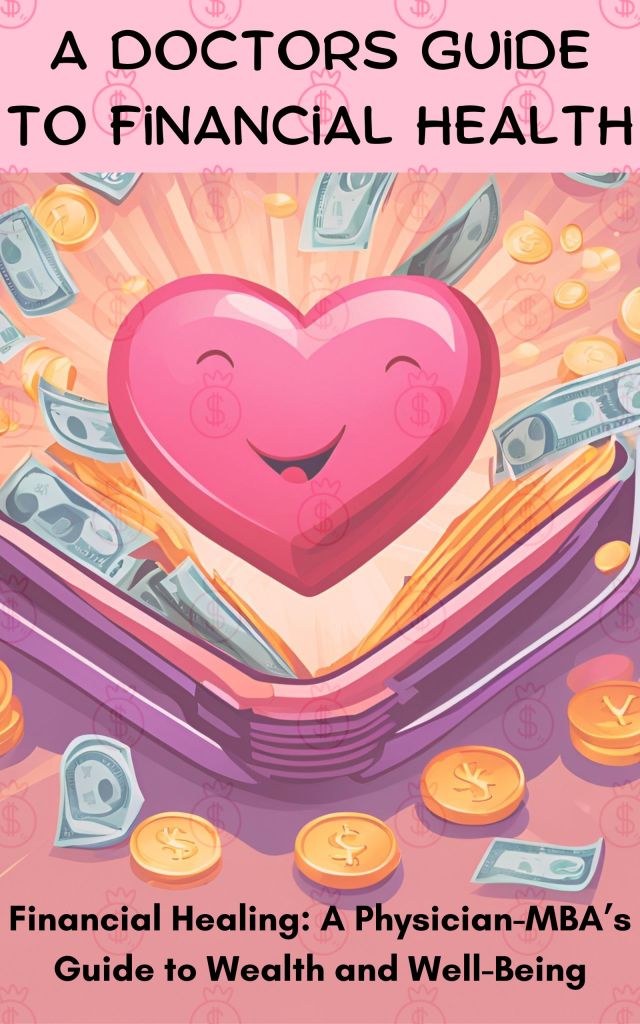
    I’ve packed all my tips, lessons, and easy-to-follow strategies into my book A Doctor’s Guide to Financial Health. And it’s now available for just ₹99—because I believe good advice shouldn’t cost a fortune.

    👉 Click here to grab your copy!

    Let’s build a portfolio that works as hard as you do, so you can sit back, relax, and watch your dreams unfold. You’ve got this! 💪

    No comments on Building a Portfolio That Doesn’t Just Sit—It Works!

  • Money Is Infinite? Let’s Meditate on That (And Maybe Laugh a Little)

    January 18, 2025
    finance, journal, life

    So there I was, sitting cross-legged on my living room floor, trying to zen out during a new guided meditation. The candles were lit, the vibes were immaculate, and the calm voice said: “Money is infinite.”

    Uh, what now? Infinite, like the refills at Olive Garden? Like Netflix recommendations you’ll never watch? Intrigued, I decided to dive deeper into this idea because, let’s be real, if money is infinite, why does my wallet sometimes feel like a black hole?


    The Concept: Money as Energy

    Turns out, the “money is infinite” thing isn’t about printing endless Benjamins (sorry, it’s not a get-rich-quick hack). It’s rooted in the idea that money is energy. And like energy, it flows—it comes, it goes, and theoretically, there’s no cap on how much of it can exist in the world. You know, abundance mindset stuff.

    The idea challenges the way we’ve been conditioned to think about money: that it’s scarce, hard to earn, and always running out. Instead, it’s about seeing money as a limitless resource that expands when we focus on creating value, sharing generously, and believing we deserve it.

    But let’s pause for a moment—because this all sounds lovely in theory. Yet, as someone who’s googled “how to make pasta from scratch with $3 in my bank account,” I know believing in infinite money takes a little mental gymnastics.


    My Research Rabbit Hole

    When I started researching, I kept coming across people who claimed that shifting their mindset was the key to unlocking financial abundance. Instead of thinking, “I can’t afford that,” they asked, “How can I afford that?” Instead of stressing about bills, they practiced gratitude for what they already had.

    And honestly? It makes sense. Ever notice how focusing on what you don’t have just makes you feel worse? But when you start seeing opportunities instead of roadblocks, life feels a little more manageable. It’s like that time I realized my avocado toast addiction wasn’t the reason I couldn’t buy a house—but maybe cutting back on random Amazon purchases could help.


    The Funny Side of Infinite Money

    Here’s the thing: imagining money as infinite doesn’t mean you should start swiping your credit card like you’re Oprah. (“You get a car! You get a car!”). It’s more about trusting that there’s enough to go around if you align yourself with the flow of abundance.

    Still, I couldn’t help but laugh at some practical questions:

    • If money is infinite, why does my Wi-Fi bill feel like an infinite struggle?
    • Should I stop keeping receipts, or is that still a thing in the abundance universe?
    • Can I manifest a latte, or does my barista need actual cash?

    Infinite or not, I’ll still tip her—because generosity is a key part of the abundance mindset. (Plus, she makes a mean oat milk cappuccino.)


    How to Embrace the Idea

    If you’re curious to dip your toe into this money is infinite pool, here are a few things to try:

    1. Gratitude First: List three things you already have that bring you joy. (Even if it’s just your favorite coffee mug, a good playlist, or your dog’s goofy grin.)
    2. Ask the Right Questions: Instead of thinking about limits, think about possibilities. How can you create more value?
    3. Visualize the Flow: Imagine money coming to you, not just as cash, but as opportunities, support, and generosity.
    4. Give Freely: Even small acts of giving—like donating $5 to a cause—can help you feel rich in spirit.

    Final Thoughts: Is Money Really Infinite?

    I think the idea isn’t about turning us into billionaires overnight (though hey, I wouldn’t complain). It’s about shifting our relationship with money—from something scary and scarce to something we can welcome with open arms.

    So, while I’m still working on my abundance mindset (and occasionally yelling at my budget spreadsheet), I do find comfort in this idea: money, like life, expands when we approach it with curiosity, creativity, and a little faith.

    Now, if you’ll excuse me, I’m off to meditate on abundance. Maybe next time I’ll manifest free guac at Chipotle. Because if money is infinite, guacamole should be too.

    No comments on Money Is Infinite? Let’s Meditate on That (And Maybe Laugh a Little)

Previous Page
1 2 3 4 5 6 … 8
Next Page

Blog at WordPress.com.

Dear Friend

conversations that matter

    • About


Loading Comments...
 

    • Subscribe Subscribed
      • Dear Friend
      • Join 35 other subscribers
      • Already have a WordPress.com account? Log in now.
      • Dear Friend
      • Subscribe Subscribed
      • Sign up
      • Log in
      • Report this content
      • View site in Reader
      • Manage subscriptions
      • Collapse this bar