• The Meditation Chronicles: Butter vs. Inner Peace

    December 28, 2024
    Uncategorized

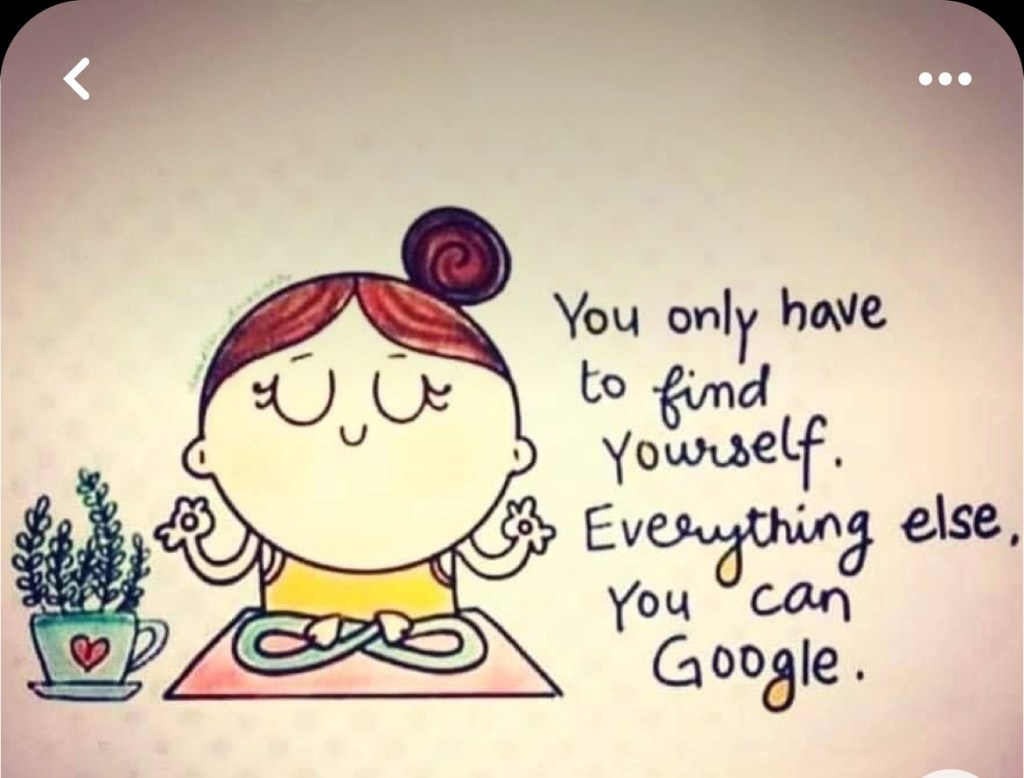
    Ah, the weekend! A sacred time to relax, rejuvenate, and pretend we have it all together before Monday comes charging in like a bull in a china shop. This weekend, I decided to explore the mysterious world of meditation. Everyone says it’s the secret sauce to a calm mind and peaceful life, and who am I to say no to inner peace? Armed with a smartphone full of meditation apps, my trusty yoga mat (which has never actually seen yoga), and a pinch of optimism, I was ready to find my kind of meditation.

    Did I succeed? Umm… let’s just say the journey was more entertaining than the destination.


    Act I: The Excited Start

    Let me tell you, I started this mission like a topper starting a new tuition class. So much enthusiasm! First, I carefully selected apps with fancy names like Calm, Headspace, Insight Timer, and one called “Zenfinity” (which, honestly, sounds like a Marvel villain). I even lit a candle to set the mood—vanilla, in case you’re wondering.

    “Let’s do this!” I thought, sitting cross-legged like Buddha himself. Little did I know, the path to enlightenment was paved with awkwardness, giggles, and some very questionable breathing sounds.


    Act II: The Great Guided Meditation Showdown

    1. The Nature Lover’s Journey
    The first app asked me to “immerse myself in the sounds of nature.” Birds chirped, rivers flowed, and a soothing voice told me to “imagine myself as a tree.” A tree? Really? I tried. I swear I did. But halfway through, my mind wandered to squirrels climbing me and monkeys stealing my mangoes. (What? I was a mango tree, obviously.)

    Honestly, I felt more stressed about wildlife management than relaxed. On to the next.

    2. Breath Like a Pro (or Not)
    The second app was all about breathwork. “Breathe in through your nose, hold for four seconds, exhale through your mouth,” said the instructor. Simple enough, right? Wrong. I immediately forgot how to breathe. Was my inhale too long? Did I exhale too loudly? Was that a wheeze? Am I dying? My brain spiraled into a full-blown investigation of my lung health. Meditation goal: failed.

    3. Cosmic Chakras and Confusion
    Next up was a chakra-balancing session. A very serene-sounding guide talked about “visualising light in your root chakra” and “opening your third eye.” I was game—until I sneezed just as the guide said, “Feel the energy flow through your crown.” Now I’m convinced my third eye accidentally shut forever. Not sure if I unlocked any energy, but I definitely unlocked my allergy to incense.

    4. The Sleepy Disaster
    By now, I was exhausted from all this “relaxing.” So when one app suggested “Deep Sleep Relaxation,” I thought, “Perfect! Let me just lie down.” Five minutes in, the calming voice and soft piano sounds worked their magic. I dozed off completely. When I woke up 45 minutes later, I was greeted by whale noises and a stiff neck. Inner peace? Zero. Neck pain? One hundred.


    Act III: Butter’s Realisation

    After a solid (and very unproductive) two hours of trying, I gave up. Clearly, I’m not the kind of person who can “feel like a breeze” or “merge with universal energy.” My mind is more likely to think about grocery lists and embarrassing childhood moments than float in cosmic bliss. And you know what? That’s okay!

    I realised meditation doesn’t have to be about sitting cross-legged in silence or pretending to be a tree. For me, mindfulness looks like:

    • A slow, lazy walk with my favourite playlist or podcast.
    • Journaling with chai by my side (no pressure to write anything profound—doodles are also fine).
    • Staring at the ceiling and daydreaming without feeling guilty.

    Self-care isn’t one-size-fits-all, and inner peace doesn’t come from trying to fit into someone else’s idea of calm. Sometimes, it’s about accepting that your mind wanders, you sneeze at the wrong moments, and you might never be best friends with meditation apps.


    Act IV: Lessons for Life (and Next Weekend)

    I’m not giving up entirely—maybe next weekend, I’ll try laughter yoga or sound baths. But for now, I’m okay with my own version of mindfulness, even if it involves an accidental nap or laughing at my own silliness. After all, life’s already too serious—why should meditation be the same?


    The Takeaway

    So, my dear friend, if you’ve ever struggled to “focus on your breath” without feeling like you’re in a biology class, know you’re not alone. Meditation is personal—what works for some might not work for others. Whether it’s apps, walks, doodles, or just scrolling Instagram in peace, find what calms your mind.

    Now if you’ll excuse me, I need to cancel the 15 free trials I started before I get billed. Stay calm, stay silly, and remember—Butter loves you.


    How do you de-stress, my lovely friends? Have you tried meditation, or are you more of a “dance-around-the-house” type? Tell me your stories—I promise I’ll read them while sipping chai and not pretending to be a tree. 🌳

    No comments on The Meditation Chronicles: Butter vs. Inner Peace

  • “The Art of Saying No: A Love Letter to Boundaries”

    December 27, 2024
    friendship, journal, life

    Friends, let’s set the stage. Imagine me sitting at my kitchen table, sipping a cup of chamomile tea (because let’s be real, coffee at this hour would have me spiraling). My phone buzzes. It’s an old friend—one of those “we’ve known each other since flip-phone days” kind of friends. They’re in trouble. Financial trouble. Big legal-notice, sleepless-nights trouble. And they need me to bail them out.

    What’s my first instinct? Of course, I want to help. Who wouldn’t? This person isn’t a stranger on the street; it’s someone I’ve shared laughs, late-night calls, and far too many calories with. But then, that tiny, nagging voice in my head clears its throat.

    “Butter, this isn’t about generosity. It’s about boundaries.”

    So here I am, having said no, and nursing the emotional hangover of doing the right-but-hard thing. If you’ve ever been in a similar spot, let’s talk. Here’s why saying no is important, how to do it, and why it doesn’t make you a terrible human being.


    Why Saying No Matters

    1. Your Life, Your Rules
      I don’t know who needs to hear this, but you are not an ATM, an emotional sponge, or the emergency services hotline for everyone in your life. Your resources—be it money, time, or energy—exist for your life’s goals first. I’m not talking about being selfish; I’m talking about being sensible. The reality is, no one’s coming to save me if I empty my savings to fix someone else’s mistakes. I can’t pour from an empty cup.
    2. It’s Not About the Money
      Money is just the symbol here. It’s really about the purpose of that money. In my case, every dollar I save has a name: future home, healthcare emergencies, dream vacations, supporting my aging parents if they need me. If I break my long-term plans for someone else’s short-term crisis, I’m essentially telling myself that my goals and security don’t matter.
    3. Helping Isn’t Always Helpful
      Enabling someone’s bad habits is not the same as helping them. If my friend hasn’t learned how to manage their finances and I swoop in to rescue them, am I really doing them a favor? Nope. I’m just slapping a Band-Aid on a gaping wound. Sometimes, love looks like tough boundaries, not handouts.

    How to Say No Without Losing Your Soul

    1. Be Honest, But Kind
      The truth doesn’t have to be cruel. I told my friend, “I care about you deeply, but I’m not in a position to help financially. I hope you understand.” Notice how I didn’t explain every detail of my budget or make excuses? Honesty doesn’t mean over-explaining.
    2. Stand Firm, But Show Support
      Saying no doesn’t mean shutting the door on the relationship. I followed up with, “If you need help finding a financial advisor or creating a plan to get back on track, I’m here for that.” Offer emotional or practical support that aligns with your boundaries.
    3. Don’t Guilt-Trip Yourself
      After saying no, there’s a tendency to spiral into “Am I a bad person?” territory. Spoiler: You’re not. Guilt is just the price we pay for prioritizing ourselves in a world that romanticizes self-sacrifice. But it’s temporary. Clarity and peace will follow.

    When to Say No

    • When It Compromises Your Security: If helping someone puts you in a vulnerable position—financially, emotionally, or otherwise—it’s a no. Full stop.
    • When the Pattern Is Repetitive: If this isn’t the first time someone’s come to you for a bailout, ask yourself if you’re solving the problem or feeding it.
    • When It’s About Their Comfort, Not Their Survival: If someone’s crisis stems from lifestyle choices and not life-or-death needs, it’s okay to let them face the consequences.

    Why Saying No Is Actually an Act of Love

    Saying no to others is sometimes saying yes to yourself—and your future. It’s also giving the other person the dignity of facing their own struggles and growing from them. I’ve learned that love doesn’t mean rescue missions. It means being there to guide, cheer, and support from a place of strength—not depletion.

    My friend is furious with me right now, and that stings. But deep down, I know that this isn’t about being a good or bad friend. It’s about being the kind of person who respects her own boundaries and encourages others to find theirs.

    If you’ve been struggling with your own “no” moments, I hope this reminds you that you’re not alone. Saying no doesn’t make you selfish—it makes you strong. And sometimes, strength is the greatest gift you can offer, both to yourself and the people you love.

    Now, let’s talk—have you ever struggled with saying no? How did it turn out? Let me know in the comments. ❤️

    No comments on “The Art of Saying No: A Love Letter to Boundaries”

  • Breaking the Silence: How to Handle Gender Harassment in the Workplace

    December 24, 2024
    journal, life

    There’s something profoundly heartbreaking about watching a friend cry over something they didn’t cause, can’t control, and, worst of all, feel trapped by. When my colleague confided in me about facing verbal harassment from a superior, her words carried the weight of a dilemma too many have faced: to speak up or to stay silent.

    The truth is, gender harassment in the workplace is a silent epidemic. It’s that undercurrent of disrespect and power play, often disguised as “just a joke” or dismissed as a misunderstanding. And it thrives in the shadows of our discomfort, feeding on fear and silence.

    What is Gender Harassment?

    Gender harassment isn’t always about explicit advances or overt discrimination. It can look like:

    • Derogatory remarks about women or men.
    • Persistent, unwanted comments about appearance.
    • Verbal intimidation that belittles based on gender.

    In your workplace, it might come from a superior, a peer, or even a subordinate. Wherever it comes from, one thing is certain: it is never okay.

    Why Silence Hurts Everyone

    When we choose not to address harassment, it doesn’t just stay contained. It grows. It becomes part of the culture. The harasser feels emboldened, and the next target could be someone who looks up to you, someone who trusted you to pave a better path. Staying silent doesn’t protect you—it protects the behavior.

    The Emotional Toll

    Gender harassment doesn’t just affect your work. It seeps into your self-esteem, your sense of safety, and your mental health. The tears my friend shed weren’t just about her boss’s words; they were about the helplessness of feeling unsupported. But there’s a way forward.


    How to Deal with Gender Harassment at Work

    1. Document Everything
      Keep a record of what happened, when, where, and who was involved. Be specific about dates, times, and any witnesses. This isn’t just a tool for formal complaints; it’s a way to reclaim your narrative.
    2. Seek Allies
      Find a trusted colleague or mentor to confide in. Isolation is the harasser’s best weapon. Allies can offer support, guidance, or even accompany you when reporting the issue.
    3. Understand Your Rights
      Most workplaces have policies in place against harassment. Read your company’s handbook or speak to HR anonymously to understand the procedures for filing a complaint.
    4. Use Formal Channels
      Report the behavior to HR or a designated authority. If you’re worried about retaliation, many companies have mechanisms in place to protect you. Know that this step can feel daunting, but it’s a powerful way to take control.
    5. Speak Up for Others
      If you witness someone else being harassed, don’t look away. Your intervention could be the support they need to take action themselves.

    For Those Watching from the Sidelines

    If someone trusts you enough to share their experience, don’t dismiss their feelings. It’s easy to tell someone to “let it go,” but would you feel the same if it were your daughter, sister, or friend? Instead of shutting them down, ask, “How can I support you?”


    Building a Safer Workplace

    Creating a harassment-free workplace isn’t just about punishing bad behavior—it’s about fostering a culture of respect. Here’s how we can contribute:

    • Educate and Train: Advocate for regular anti-harassment training in your workplace.
    • Encourage Open Conversations: Make it safe for people to discuss issues without fear of judgment or retaliation.
    • Lead by Example: Respect others’ boundaries and call out inappropriate behavior when you see it.

    The Courage to Speak

    To my friend, and to anyone else wrestling with the same fear: your voice matters. Speaking up is hard—it shakes your world and makes you question everything. But it’s also the most powerful thing you can do, not just for yourself, but for every person who comes after you.

    The path to justice might feel long, and the road to healing even longer. But by refusing to stay silent, you’re choosing to break a cycle, to shine a light in the shadows, and to demand a better future.

    If you’re in this situation, know that you’re not alone. You are worthy of respect, safety, and dignity. And if the world around you doesn’t give you that, you have every right to fight for it.

    Let’s create workplaces where tears are shed over success, not suffering. Where respect isn’t a privilege—it’s a given.

    Have you experienced or witnessed gender harassment at work? Share your story, and let’s start a conversation. Together, we can make change happen.

    No comments on Breaking the Silence: How to Handle Gender Harassment in the Workplace

  • Finding Myself Under the Stars: The Power of Serene Solo Outings

    December 23, 2024
    journal, life

    Last weekend, I did something I’d been dreaming of for ages—I packed my essentials, hopped into a jeep, and ventured into the heart of the desert for a safari. Sure, the bumpy ride had my inner diva questioning life choices at first (do deserts have roads, or is it just vibes?), but by the time I reached the campsite, it all made sense.

    The sky opened up like a velvet canvas splashed with a million twinkling stars. It wasn’t just pretty—it was mesmerizing, like the universe whispering, “Hey, you. Remember me?” And as I lay on a blanket, letting the stillness wash over me, I realized I’d reconnected with someone I’d almost forgotten—myself.

    If you’ve ever considered taking a solo, serene outing, let me be your sign from the universe: do it. Here’s why moments like these aren’t just refreshing—they’re transformative.


    1. Peace in the Pause

    When was the last time you truly stopped? Not just scrolling-stopped or Netflix-binging-stopped, but full-body, full-mind stopped? Out there in the desert, with nothing but the soft whisper of the wind and the glow of the stars, I found a stillness I didn’t know I needed.

    These pauses give our minds a chance to declutter. It’s like hitting the reset button on a phone that’s been glitching because it’s running too many apps. You can think more clearly, feel more deeply, and breathe more freely. Who knew silence could be so loud in its beauty?


    2. A Mirror for Your Soul

    There’s something about solitude that’s equal parts scary and magical. Without the noise of other people’s opinions or the constant pings of notifications, you’re left with…you. Just you.

    That night, lying under the vastness of the universe, I couldn’t help but reflect. Am I happy with where I’m going? Am I treating myself kindly? Am I eating enough vegetables? (Okay, maybe not that last one, but it’s on my mind now.) These aren’t always easy questions to face, but they’re essential for growth.


    3. Nature: The Ultimate Therapist

    Let’s be real—deserts aren’t exactly comfortable. It’s sandy, chilly at night, and the occasional scuttling noise had me convinced I’d made a new lizard friend. But despite—or maybe because of—that ruggedness, the connection to nature felt raw and healing.

    Stargazing reminded me of how small I am in the grand scheme of things, which could’ve been terrifying but was oddly comforting instead. All my worries? Tiny. My to-do list? Insignificant. My existence? Beautifully intertwined with something much bigger.


    4. The Courage to Be Alone

    Solo outings can feel intimidating. What if I get bored? What if I get lonely? What if I have to ask a stranger to take my picture and they make it blurry? But here’s the secret: being alone doesn’t mean being lonely.

    In fact, solitude can be empowering. You learn to enjoy your own company, to laugh at your thoughts, to relish in the freedom of doing exactly what you want. That night, it hit me—I wasn’t alone; I was with the best version of myself, the one I’d been too busy to hang out with.


    5. Coming Back Better

    When the sun rose and it was time to head back, I felt like a different person. No, I hadn’t solved all my problems or achieved inner Zen, but I had touched something deeper. I’d let go of a few unnecessary worries, recharged my spirit, and—most importantly—remembered what it feels like to just be.

    That’s the magic of serene solo outings. They don’t just give you a break; they give you back a piece of yourself you didn’t even realize was missing. And when you return to your world of work, relationships, and responsibilities, you bring that piece with you—a little calmer, a little wiser, a little more whole.


    Your Turn to Try

    Whether it’s a night under the stars, a hike in the mountains, or even a quiet afternoon at a nearby park, I urge you to carve out some time for you and only you. No itinerary, no agenda—just the freedom to be still, to reflect, to reconnect.

    Trust me, the world will keep spinning without you for a few hours. And when you come back, it might just feel a little brighter. Or maybe that’s just the starlight you’ll still be carrying in your heart. ✨

    What’s your favorite way to spend solo time? Have you ever had an experience like this? Let’s swap stories in the comments—I’d love to hear your thoughts! 🌙

    No comments on Finding Myself Under the Stars: The Power of Serene Solo Outings

  • “Leadership in Crisis: Strategies to Align a Divided Team”

    December 21, 2024
    health, journal, life

    Picture this: it’s midnight. The hospital is buzzing like a beehive, but instead of sweet honey, it’s sheer chaos. My patient—a critically ill case who seemed determined to test the limits of modern medicine—was hanging in the balance. And there I was, stuck in the middle of a verbal ping-pong match between the pulmonologist, the anesthetist, the physician, and the nephrologist. Everyone had a point, but no one was agreeing. It felt like being at a family dinner where the turkey gets cold because Uncle Dave insists on debating politics.

    But this wasn’t Thanksgiving dinner—it was a life-or-death situation. I had to get everyone on the same page without losing the patient or my sanity. That night, I learned (and re-learned) some hard truths about communication and negotiation, and I want to share them with you—not as a lecture, but as a survival guide for those moments when it feels like you’re herding cats.


    Step 1: Be the Calm in the Chaos

    First thing’s first: breathe. When everyone is talking, no one is listening. Chaos fuels chaos, so you have to be the anchor that stops the storm. I didn’t jump into the fray; I waited. I listened. And when I spoke, I made sure my voice was calm and deliberate.

    What works: Speak slowly and clearly, even if you’re panicking inside. When people hear calmness, they are less likely to mirror chaos.

    What doesn’t work: Yelling to “restore order.” It’s like trying to put out a fire with a flamethrower—dramatic, but it’ll just make things worse.


    Step 2: Validate Everyone’s Expertise (Even If You Secretly Think They’re Wrong)

    One thing I’ve learned is that people love to feel heard. So I didn’t start by shooting down ideas, even the ones I knew were unworkable. I validated their expertise:

    • “Dr. X, you’re absolutely right that ventilation strategy is critical here.”
    • “Dr. Y, you make a great point about fluid balance.”

    People’s egos don’t respond well to dismissal, but they thrive on respect. The trick? Once they feel heard, they’re more willing to hear you.

    What works: Repeat back their concerns and ideas. Even if you’re not going to agree, show you understand where they’re coming from.

    What doesn’t work: Rolling your eyes, sighing audibly, or (heaven forbid) saying, “That’s irrelevant.” Trust me, the only thing that achieves is open hostility.


    Step 3: Find Common Ground

    At some point, I realized this wasn’t about anyone being “right.” It was about the patient. So I steered the conversation back to the shared goal:
    “How can we together create the best plan for this patient, right now?”

    It’s amazing how quickly people will drop their defenses when you remind them of the bigger picture. Once I framed the problem as ours instead of mine vs. yours, the tone in the room shifted. Slowly, but surely, solutions started to emerge.

    What works: Use inclusive language like “we” and “our” to emphasize teamwork.

    What doesn’t work: Drawing battle lines with “your way” versus “my way.”


    Step 4: Know When to Draw a Firm Line

    As much as I wanted everyone to agree, time wasn’t on our side. At some point, someone had to make the call—and that someone was me. After validating, collaborating, and listening, I said:
    “This is the plan we’re going with. Let’s focus on execution.”

    You don’t need to be aggressive to take charge. A confident, clear decision can settle the most heated debates—especially when it’s backed by facts and respect for everyone involved.

    What works: Be decisive when it matters, and own your decisions with confidence.

    What doesn’t work: Waffling or trying to please everyone. Indecision wastes time and erodes trust.


    Step 5: Debrief Like a Pro

    After the dust settled and my patient stabilized, I made it a point to follow up with each team member. Not to gloat or say, “I told you so,” but to check in:

    • “Thanks for your input earlier; it really helped us get to the right decision.”
    • “Let’s discuss what worked and what didn’t so we can do even better next time.”

    This keeps relationships intact and ensures people feel valued, even if their idea wasn’t the winning one.

    What works: Express gratitude and create space for constructive feedback.

    What doesn’t work: Disappearing after the crisis or blaming others for missteps.


    Final Thoughts: The Art of Making People Listen

    At the heart of it, communication is about connection. People listen when they feel respected, heard, and understood. Whether you’re negotiating a medical crisis, mediating a family feud, or just trying to convince your friend to try pineapple on pizza, the same principles apply:

    1. Stay calm.
    2. Validate others.
    3. Focus on shared goals.
    4. Be decisive when necessary.
    5. Always debrief and show gratitude.

    That night at the hospital was one of the hardest of my career, but it reminded me that even in the most chaotic situations, good communication is like CPR—it can save lives, restore relationships, and keep things from flatlining.

    And for the record, my patient made it. 💛

    What about you? Have you ever had to talk people down from chaos or negotiate through a sticky situation? Share your stories—I’d love to hear them!


    Now go forth, my dear chaos coordinators, and remember: the world will listen to you if you speak with kindness, clarity, and purpose. 🌟

    No comments on “Leadership in Crisis: Strategies to Align a Divided Team”

  • When Butter Met Jr. NTR: A Tap Dance, AI Magic, and a World of Imagination

    December 20, 2024
    journal, life, love

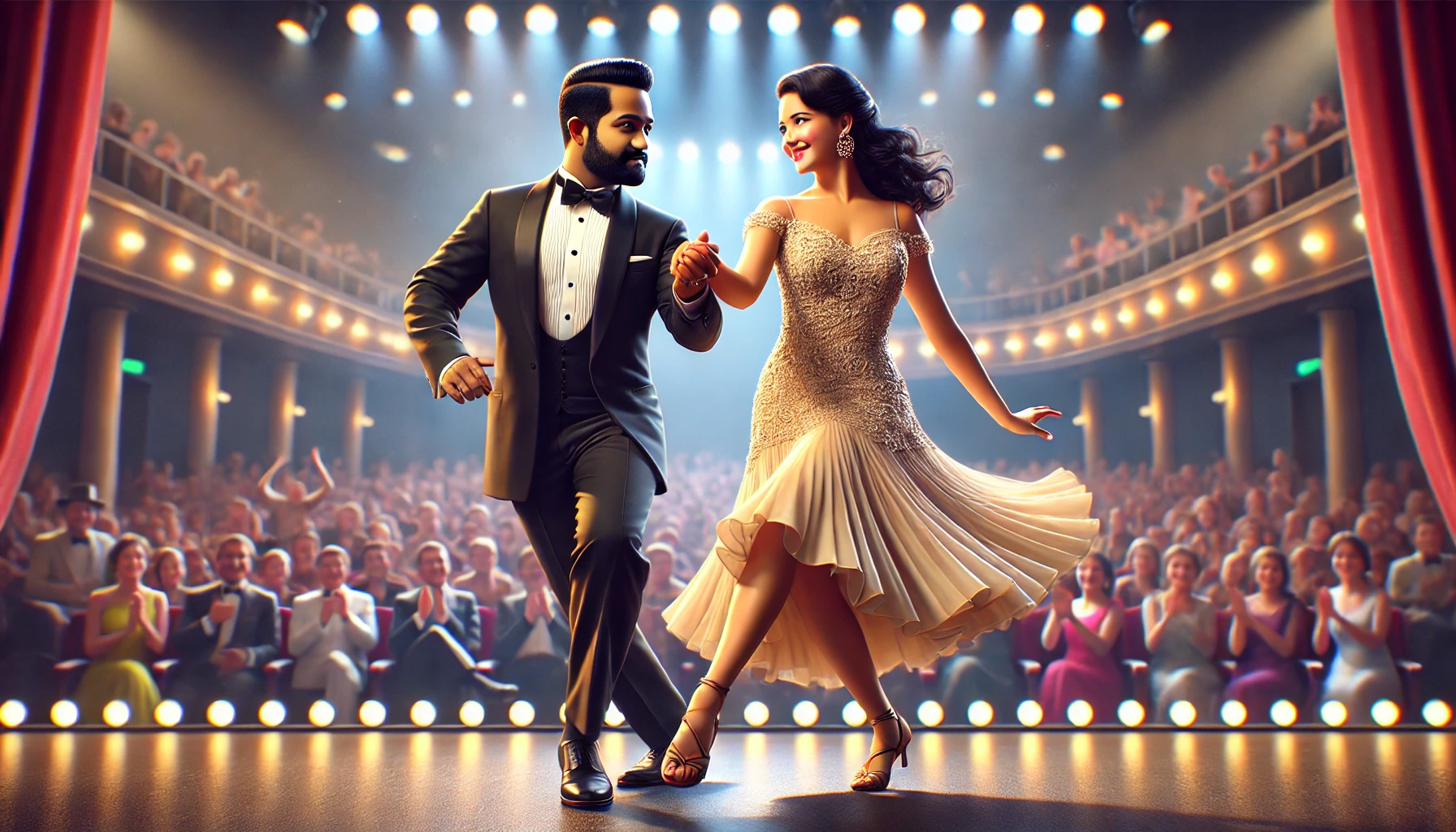
    You guys, today I lived a dream. Like, not just any dream—the dream. Imagine this: me, Butter, the queen of two left feet, tap-dancing alongside Jr. NTR, who was clearly out there giving Fred Astaire a run for his money. Was it real? Absolutely not. Did it feel real? Oh, you betcha!

    It all started with one of those late-night rabbit holes where you download an AI app “just to see what it does.” You know how it goes. I uploaded a photo of myself (flawless as always) and then Jr. NTR’s photo because, hello, the man is a legend. Next thing I knew, this app had stitched our photos together and created a full-blown tap-dance routine. I was leaping, twirling, and clicking those imaginary tap shoes like a Broadway star… and Jr. NTR was there, graciously carrying the performance like the professional he is.

    The kicker? I’m a terrible dancer. I mean, the kind of bad where people politely suggest you “stick to clapping along.” But this AI magic made me look like Ginger Rogers herself. And that, my friends, is the beauty of living in 2024.

    AI: The Fairy Godmother We Didn’t Know We Needed

    These days, AI is turning our wildest daydreams into (virtual) reality. From apps that make you sing like Beyoncé to ones that can paint you as a Renaissance queen or turn your dog into an anime character, the possibilities are endless—and endlessly hilarious. Let’s dive into some of my favorite AI shenanigans and how they’ve turned imagination into pure entertainment.


    1. The “Deepfake Dance-Off” App

    Okay, I don’t know if that’s what it’s called, but this is the app that gave me my magical Jr. NTR moment. You upload a couple of photos, and voilà—AI whips up a video of you doing moves you didn’t even know existed. Want to waltz with Ryan Gosling? Breakdance with Chris Hemsworth? Have a slow-motion running scene with Keanu Reeves? Done, done, and done.

    Funny part? AI doesn’t care if you can’t touch your toes IRL. It makes you look like an acrobat even if bending down to tie your shoelaces is a chore.


    2. The “What If I Looked Like This?” Filters

    Who hasn’t wondered what they’d look like as an elf, a 90s sitcom character, or a professional wrestler? With apps like these, you can swap your face onto movie posters, make yourself look like you belong in a K-pop band, or even see how you’d look as the Mona Lisa (spoiler: I nailed it).

    Pro tip: these apps are extra fun after a glass of wine with friends. Just be prepared for the group chat memes that will never die.


    3. AI Cooking Gurus

    Imagine telling an AI app what’s in your fridge—let’s say three eggs, a sad carrot, and some cheese—and it gives you a recipe that sounds Michelin-star worthy. These apps are like your foodie BFF who knows how to make magic out of scraps.

    I tried one, and guess what? It suggested a soufflé. Did it rise? Not quite. But hey, points for the wild optimism, AI.


    4. AI Love Letters

    Oh, you didn’t think I’d skip this one, did you? Some AI apps let you craft poems, romantic notes, or even full-blown novels about your imaginary love story. I tried it with Jr. NTR (yes, again). It spit out a love letter that started with, “Dearest Butter, your tap-dancing skills have enchanted my heart…” and ended with, “Let us waltz into eternity.”

    Cheesy? Absolutely. But for someone whose real love letters tend to say things like, “What do you want for dinner?”, this was a major glow-up.


    5. AI Travel Portals

    Ever wanted to see yourself on the moon or sipping coffee in Paris without leaving your couch? AI apps now let you upload a photo and drop yourself into stunning backgrounds. I put myself on a red carpet next to Beyoncé, and for a glorious ten minutes, I fully believed the paparazzi were calling my name.


    Has AI Changed Imagination Forever?

    AI isn’t just a tool—it’s a time machine, a magic wand, and a comedy goldmine all rolled into one. Sure, it’s not perfect. Sometimes it gets a little too creative (like when it gave me three arms in a family portrait), but that’s part of the charm.

    The beauty of AI is how it brings our wildest, most unachievable fantasies to life. Whether it’s creating hilarious mashups, boosting your confidence, or letting you see yourself in scenarios you’d never experience otherwise, it’s the ultimate playground for your imagination.

    And honestly, isn’t that what life’s about? Dreaming big, laughing at yourself, and finding joy in the little surprises—like discovering you make a pretty good tap-dancing duo with Jr. NTR, even if it’s all pixels and code.

    So go ahead, download that app. Dance with your idols. Paint yourself into history. Just don’t forget to laugh at the weirdness along the way.

    Your tech-savvy tap-dancing pal,
    Butter 🥰

    No comments on When Butter Met Jr. NTR: A Tap Dance, AI Magic, and a World of Imagination

  • The Tale of Butter’s Weight Loss Adventure: From Crash Diets to Consistent Steps (Literally)

    December 19, 2024
    health, journal, life

    Oh, friends! Guess who’s here feeling 1.5 kg lighter and a whole lot sassier? Yep, it’s your girl, Butter! Now before you start picturing me strutting down the runway (or, more realistically, the office corridor), let me spill the chai about this exciting milestone in my weight loss journey.

    This isn’t just about dropping kilos; it’s about outsmarting my body, my brain, and honestly, my snack-loving soul. Because let’s face it, my past attempts at weight loss were like a rom-com gone wrong—full of dramatic starts, crashes, and those infamous “we need to talk” breakups with gym memberships and diet charts.

    Where It All Began: Butter vs. Weight Loss Goals

    Here’s the tea: I’ve got thyroid issues. Add in a long history of failed attempts—think crash diets, two-day gym obsessions, and dance workouts that lasted about as long as my resolve—and you’ve got a recipe for frustration. Even as a doctor, I felt like the universe was conspiring against me.

    Then one fateful day, I revisited my 2024 journal. Boy, was it bleak! I had given up on my January weight-loss goals by February, calling it quits after the first plateau. Reading it back made me cringe so hard, I knew something had to change.

    The Plan: Simplicity Is Key

    This time, I wasn’t aiming for a dramatic transformation or a wild Instagram-worthy diet plan. Nope. My motto was simple: pick one thing, stay consistent. That “thing” turned out to be walking—good ol’ humble walking.

    • 10k Steps a Day: Splitting this into manageable chunks saved me! 1 km in the morning, 1 km before lunch, another before leaving work, and the rest during my evening strolls.
    • Audio Motivation: A chapter of an audiobook every walk? Yes, please! Who knew literary drama could spice up my walking routine?
    • No Sweet Month (Kinda): Okay, so I still have sugar in my tea and caved for a donut (just one, I promise!). But I avoided other sweets like a pro.

    15 Days of Nothing, Then Magic

    Let me tell you, the first two weeks were the ultimate test. I lost a grand total of… 100 grams. Seriously, my fat was clinging on like it owed me money. But then, like a twist in a suspense novel, the scale surprised me after 24 days: 1.5 kg gone!

    Even better, my Apple Watch revealed that my VO2 max (a fancy term for cardiac fitness) had increased by 4 points. My energy expenditure was higher, my heart rate variability improved, and my body was doing secret good things behind the scenes.

    What Worked (and Can Work for You)

    Here’s what I’ve learned:

    1. Pick One Thing: Focus on a single, sustainable habit. Walking was low-risk and easy to start.
    2. Be Kind to Yourself: Instead of banning all my favorite foods, I tackled just one goal—avoiding sweets. The biryani and spicy chicken snacks stayed, because hey, balance!
    3. Celebrate Non-Scale Wins: The Apple Watch stats were my hidden cheerleaders. Progress isn’t always about the number on the scale.
    4. Break It Down: Long walks felt overwhelming, so splitting them into chunks made it doable.

    Next Steps: Building on Success

    Now that I’ve seen results, I’m not stopping. But instead of juggling weight scales, I’ve shifted my focus to cardiac fitness goals. Here’s the plan:

    • Add Variety: A weekly Zumba session for fun and two 10-minute yoga sessions to improve muscle strength.
    • Layer New Goals: Once I nail my no-sweets month, I’ll work on cutting down on fried foods. One step at a time!

    Butter’s Tips for Sustainable Weight Loss

    1. Don’t Rush the Process: Weight loss is like compound interest—it takes time, but the results will surprise you.
    2. Invest in Tools: A fitness tracker can be a game-changer. It’s like having a health coach on your wrist!
    3. Create a Routine: Little rituals, like walking before meals, make consistency easier.
    4. Forgive Yourself: One donut won’t ruin your progress. The key is getting back on track.
    5. Prioritize Health Over Perfection: Focus on improving fitness, not just weight.

    The Bigger Picture

    This journey taught me that success isn’t about doing everything at once. It’s about showing up every day, even when progress feels invisible. If Butter can do it, so can you!

    So, let’s make a pact: whether it’s walking, dancing, or simply avoiding that second slice of cake, we’re in this together. Here’s to compounding results, small wins, and a healthier, happier us!

    What’s your one thing to tackle this month? Let me know, and let’s cheer each other on! 🥳

    No comments on The Tale of Butter’s Weight Loss Adventure: From Crash Diets to Consistent Steps (Literally)

  • When Your Passion and Wallet Refuse to Shake Hands: My YouTube Niche Crisis

    December 18, 2024
    journal, life

    So here I am, sitting at my desk, overthinking (as usual) about what to do with my YouTube channel. Everyone says, “Find your niche!” like it’s some magical key to success. But honestly, picking a niche feels like standing in front of an enormous buffet, where everything looks tempting, but I know choosing the wrong dish could leave me broke—or worse, irrelevant.


    The Niche Dilemma

    You see, my heart wants to teach. I want to make educational videos about life, finances, philosophy, politics—all the big things that make people think. But then reality taps me on the shoulder and says, “Excuse me, but does anyone even want to watch that?”

    I mean, let’s face it. When people open YouTube, they’re more likely to click on a video of a dog skateboarding or a dramatic celebrity breakup recap than something like “The Relevance of Stoicism in Modern Life.”

    Even when I tell my friends I want to make educational content, they give me the same look you’d give someone who says they’re planning to make a living selling typewriters. Their faces practically scream: “Nice, but who’s paying for that?”


    The Great YouTube Buffet

    Picking a niche is like staring at a massive menu, and everything comes with its own risks:

    • Life Coaching: Sure, people love motivational advice, but the minute you say “Think positive!” someone will reply, “Try paying my rent with positivity.”
    • Finance: This one seems promising. But let’s be honest, one wrong tip, and everyone will start questioning your qualifications. “If you’re so good at money, why aren’t you rich?”
    • Philosophy: My personal favorite. But does anyone actually want to learn about Aristotle when they could watch a video titled “10 Things You Missed in the Latest Marvel Movie”?
    • Politics: This niche is fiery and fun until you get dragged into online debates that make you regret ever having an opinion.

    And then there’s educational content—the one I really want to do. It’s meaningful, it’s helpful, and it feels authentic. But apparently, it’s also about as trendy as fax machines.


    Passion vs. Profit: The Eternal Tug-of-War

    Imagine your passion is this free-spirited artist who wants to create something meaningful and beautiful. Meanwhile, your wallet is like a strict accountant saying, “Meaningful doesn’t pay the bills, buddy.”

    And I’m stuck in the middle, trying to find a way to keep both happy without losing my sanity. I want to teach people valuable things while also, you know, making enough money to occasionally buy fancy coffee.


    The Advice No One Asked For

    Here’s what everyone around me says when I talk about this problem:

    1. “Just do what’s trending! If people like vlogs, start vlogging!”
    2. “Why not make funny videos? Everyone loves comedy!”
    3. “You have to entertain people first. Forget teaching—just go viral!”

    And look, I get it. They’re not wrong. But the idea of making clickbaity videos or hopping on trends that don’t feel authentic makes me want to scream into a pillow.


    The “Why Not Do Everything” Plan

    At one point, I thought, “Why not just do everything? Finance on Mondays, philosophy on Wednesdays, and a random rant about world politics on Fridays?” But then I realized this would confuse everyone, including YouTube’s algorithm, which thrives on consistency.

    It’s like inviting people to a restaurant where you serve sushi, pasta, and tacos all on the same plate. Sure, it’s creative, but will anyone come back for a second meal?


    Finding the Balance

    After spiraling into self-doubt (and several cups of tea), I’ve come to a conclusion: maybe my niche doesn’t have to be purely about what people want. Maybe it can also be about what I want to offer. Here’s my plan:

    1. Make it fun: Nobody wants a lecture. If I want people to learn something, I need to make it light, funny, and conversational.
    2. Solve real problems: People love content that makes their lives easier. Maybe I can teach them how to manage their time or why they should care about personal finance without sounding like a boring textbook.
    3. Be authentic: I want my channel to feel like a cozy chat with a friend, not a corporate seminar.
    4. Start small: Even if my audience is tiny at first, it’s better to have a loyal group of people who get me than try to appeal to everyone and connect with no one.

    So, What’s the Final Decision?

    I’ve decided to stick with educational content because, at the end of the day, that’s what feels right to me. I’ll mix in humor, keep things simple, and maybe even sneak in a little philosophy here and there. Who knows? Maybe there arepeople out there who want to hear about Aristotle and learn how to budget at the same time.

    And if no one watches? Well, I’ll bribe them with snacks.


    What about you? If you had to pick between what you love and what pays the bills, what would you choose? Let me know—meanwhile, I’ll be here trying to convince the YouTube algorithm that educational content can be cool too.

    No comments on When Your Passion and Wallet Refuse to Shake Hands: My YouTube Niche Crisis

  • People Change, and So Did My Teenage Dream of Marrying a Rock Star

    December 17, 2024
    journal, life

    I accidentally stumbled across my teenage journal last weekend. Accidentally, because I was in the middle of a Marie Kondo-inspired decluttering session that somehow spiraled into me sitting on the floor, surrounded by dusty notebooks and forgotten treasures, like some sentimental raccoon. I opened the journal just to peek, and two hours later, I was still there, cringing at every “dear diary” entry.

    Friends, if you ever want to experience true horror, read your teenage dreams. Mine included becoming a world-famous fashion designer despite not being able to stitch a button, meeting Taylor Hanson (yes, of MMMBop fame) and convincing him to fall in love with me, and owning a pet tiger. Realistic, I know.

    But as I sat there in my yoga pants (a far cry from the tailored Chanel suit my 16-year-old self swore I’d wear every day), I realized something: we are always changing. Not just little tweaks here and there—complete rewrites of who we are, what we want, and how we see the world. And you know what? That’s okay.


    The Wishlist of a Decade Ago vs. Now

    When I was 10, I dreamed of being a pop star. Not because I could sing (I couldn’t and still can’t), but because I thought “microphones looked cool.” Fast forward to my 20s, and I was neck-deep in the “find your passion and hustle hard” phase, where dreams included corner offices and perfectly organized planners. Now, in my 30s, I dream of early bedtimes, inner peace, and a solid skincare routine that will keep me looking 25 for the next 30 years.

    The goals shifted. They had to. Because life happened. Somewhere between heartbreaks, victories, small wins, and that time I ate an entire pizza alone in my car (don’t judge me; it was therapeutic), I grew up. I changed.


    Why Do We Change? And How Do We Keep Up?

    Change, my friends, is not just inevitable—it’s a full-time job. Here’s the truth:

    1. Life Throws Plot Twists.
      Picture this: 18-year-old Butter, dreaming of traveling the world, wearing boho skirts, and “finding herself.” Plot twist? I realized I get hangry after two hours of sightseeing, and I can’t survive without decent coffee. Suddenly, “finding myself” sounded less appealing than “finding a clean hotel room.”Life surprises you, and as you collect more experiences, you change—whether you like it or not. You discover that maybe you don’t want to climb Mount Everest. Maybe you just want to climb out of bed on time. And that’s growth, too.
    2. We’re Not Who We Thought We Were.
      When I was 14, I wrote a letter to my future self: “Dear Butter, I hope you have a red convertible by now and live in New York City with your perfect husband and three cats.”Let me tell you what’s actually true today: I have an aging Honda, I live in the suburbs, and I’m allergic to cats.We change because we learn who we are, layer by layer. Some dreams were never really ours to begin with; they were just things we thought we should want. And as we grow, we realize that life feels better when we stop chasing someone else’s dream and start chasing our own peace.
    3. The People Around Us Change Us.
      You can’t grow in isolation. Your friends, family, colleagues, and random strangers you met at weddings shape you, whether they mean to or not. Your best friend might inspire you to pick up painting, while a terrible boss might teach you the importance of boundaries.I once had a roommate who convinced me to try running. I hated it—absolutely despised it—but I also realized that, hey, I’m someone who gives things a shot. That discovery alone made the blisters worth it.
    4. Priorities Shift as We Grow.
      Remember when your biggest worry was whether your crush saw you in gym class? Ah, simpler times. Today, you’re juggling jobs, bills, relationships, and the nagging feeling that you should probably floss more often.Your dreams evolve because your priorities evolve. What you wanted at 15 might feel irrelevant at 30, and that doesn’t mean you “failed”—it means you adapted. You grew.

    How to Manage Change (Without Losing Your Sanity)

    1. Be Gentle With Your Past Self.
      If teenage you thought getting hair bangs would solve all your problems, forgive them. They were doing their best with what they knew. (And hey, maybe the bangs did look cute for a week.)
    2. Regularly Check In With Yourself.
      Think of it like updating your phone’s software—except you’re updating you. Ask yourself every now and then:
      • “What do I actually want right now?”
      • “Is this goal still mine, or am I just chasing it out of habit?”
      The answers might surprise you.
    3. Celebrate Who You Are Today.
      Don’t get so caught up in chasing future you that you forget to appreciate current you. Current you deserves a high five. You’re here, you’re trying, and you’re still growing. That’s more than enough.
    4. Embrace the Unknown.
      Look, I never thought I’d be sitting on my bedroom floor at 10 p.m., eating stale cookies while reading about my teenage obsession with boy bands. But here I am, thriving. Life is unpredictable, and that’s the fun part.

    Change Is Not a Crisis; It’s a Process

    Here’s what I want you to know: Changing doesn’t mean you’re flaky. It doesn’t mean you’re lost or indecisive. It means you’re growing into who you’re supposed to be—one plot twist, one dream, and one dusty journal at a time.

    So, if you find yourself with goals that no longer fit, dreams that feel outdated, or hobbies you’re suddenly tired of, let them go. Thank them for getting you this far, and make space for new ones.

    After all, teenage me would be horrified that I never married a rock star, but you know what? Adult me is happier binge-watching Netflix in my sweatpants. And I think that’s a win.

    Here’s to changing, growing, and maybe even eating an entire pizza in your car every now and then. No judgment here.

    No comments on People Change, and So Did My Teenage Dream of Marrying a Rock Star

  • My Vision Board Glow-Up: 2025 is the Year of Actually Doing Things

    December 16, 2024
    journal, life

    Alright, friends, let’s talk about my 2024 vision board. It was… how do I put this? A hot, sparkly mess. It had everything—dream vacations, abs I’ve never met, stacks of cash, and inspirational quotes that made me roll my eyes by March. It was less a “vision board” and more a chaotic wishlist that screamed, “Good luck, Butter!” Spoiler: I didn’t win the lottery or magically transform into a zen goddess.

    But 2025? Oh, this is the year of real transformation. Not wishful thinking, not more glitter (okay, maybe a little glitter), but clear, actionable goals. This time, I divided my board into four fab corners: Healthier Me, Happier Me, Wealthier Me, and Wiser Me. A vision board that actually works? Groundbreaking, I know.


    Step 1: Healthier Me (Because I’m Tired of My Pants Judging Me)

    Listen, I’m not trying to become one of those “my body is a temple” people, but maybe a well-maintained park? A cute little community garden, perhaps? My health goals for 2025 are simple and not totally impossible:

    • Walk 21 days a month. Fresh air, podcasts, and maybe even some neighborly gossip.
    • One yoga session weekly. (Stretchy Butter > cranky Butter.)
    • One dance workout weekly. I’m talking bad Zumba moves in my living room.
    • One meditation day weekly. Probably me just sitting in silence thinking about snacks, but it’s a start.

    And the pièce de résistance: No dessert year. Yes, you read that right. No desserts. NONE. Because, honestly, I’ve been treating chocolate like it’s a life necessity. (It’s not. Allegedly.)

    Goal: Lose 500 grams a month. That’s like shedding one stick of butter every 30 days. By the end of the year? Six kilograms gone and no butter puns left to make.


    Step 2: Happier Me (Hobby Hopping Like It’s My Job)

    Turns out, happiness doesn’t just happen. You’ve got to put in the effort. (Who knew?) So, I’ve decided to dedicate each month to a new hobby or activity, because why be mediocre at one thing when I can be terrible at twelve?

    • January: Start my YouTube channel. (Yes, me. Talking. On camera. Terrifying and thrilling.)
    • February: Quality time with loved ones. (Because my love language is snacks and attention.)
    • March: Creative photography. (Get ready for some “artsy” shots of my breakfast.)
    • April: Painting. (Whether it’s walls or canvases, TBD.)
    • May: Scented candle making. (Because if my life isn’t perfect, at least it can smell like it.)
    • June: Add music to my life. (Learning an instrument or just curating the world’s best playlists? Stay tuned.)
    • July: Gardening. (Growing plants… or at least trying not to murder them.)
    • August: Learning a new recipe every week. (Butter in the kitchen, channeling MasterChef energy.)
    • September: Poetry writing. (Prepare for lots of dramatic rhymes and metaphors about coffee.)
    • October: Shopping. (But make it mindful—think fun and functional, not just another pair of shoes I don’t need.)
    • November: Travel! (Even if it’s just a day trip, it’s time to get out and see something new.)
    • December: Self-care and spa time. A whole month of face masks, candles, and pretending I’m royalty.

    By the end of 2025, I’ll either be a well-rounded human or an over-scheduled mess. Either way, it’ll be fun.


    Step 3: Wealthier Me (Because My Wallet Deserves to Feel Pretty, Too)

    Fun fact: Most of my investments are tied up in real estate, which is about as easy to spend as Monopoly money. So this year, I’m focusing on growing a 6-lakh INR stock portfolio.

    • I’m researching high-growth stocks. (YouTube tutorials, don’t fail me now.)
    • Starting to work on retirement goals. Because, let’s be real, future me wants to sit on a beach sipping fancy drinks and not worry about rent.

    Key rule: No impulse spending. Just because Instagram ads know my weaknesses (shiny things, useless gadgets) doesn’t mean I have to buy.


    Step 4: Wiser Me (Basically, I Want to Become That Friend Who Always Knows Stuff)

    Confession: I have an embarrassing number of unread books on my shelves. They stare at me like judgmental little librarians. So, for 2025, I’m committing to:

    • One new book a month. But not just reading—I’ll be summarizing the key points and actually applying them in real life. Imagine me casually dropping wisdom bombs like “This reminds me of a fascinating concept from…” Who is she?!

    By the end of the year, I won’t just be smarter. I’ll be insufferably wise.


    What’s NOT on My 2025 Agenda?

    • Impulse Spending. If I didn’t plan it, I’m not buying it. (Sorry, random online ads. It’s not you; it’s me.)
    • Binge Eating. My fridge isn’t a therapist, and emotional eating only ends in regret… and crumbs.

    The Finished Vision Board: A Butter Masterpiece

    Picture this: My vision board is part practical, part pretty, and all me. It’s got:

    • Photos that spark joy (like trails for walking, stacks of books, and cute yoga poses I’ll never master).
    • Affirmations that hit home, like “You don’t need dessert to be sweet” and “Future you says thanks for investing today.”
    • A layout so neat it could star in an HGTV special.

    Final Thoughts from Butter

    2025 isn’t about dreaming—it’s about doing. My vision board isn’t a “cross-your-fingers” kind of thing. It’s my game plan, my pep talk, and my accountability buddy all rolled into one.

    By December 2025, I’ll look back at this board and think, “Damn, Butter. You really pulled it off.” And when that happens, we’re celebrating big. Maybe even with dessert.

    So, tell me, friends: What’s going on your 2025 vision board? Let’s make this our year! 🥂

    No comments on My Vision Board Glow-Up: 2025 is the Year of Actually Doing Things

Previous Page
1 … 4 5 6 7 8
Next Page

Blog at WordPress.com.

Dear Friend

conversations that matter

    • About


Loading Comments...
 

    • Subscribe Subscribed
      • Dear Friend
      • Join 35 other subscribers
      • Already have a WordPress.com account? Log in now.
      • Dear Friend
      • Subscribe Subscribed
      • Sign up
      • Log in
      • Report this content
      • View site in Reader
      • Manage subscriptions
      • Collapse this bar