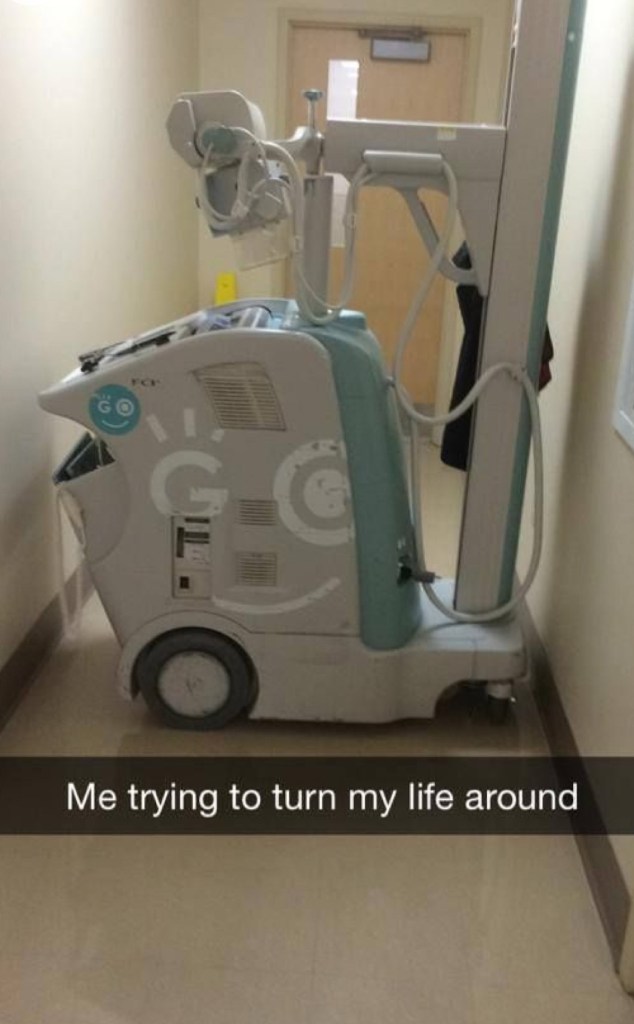
Let me tell you something I learned the hard way: sometimes, the best way to fix a mess is by not running straight into it with a mop and a megaphone. Especially when that mess is a shiny new super-specialty hospital block… with doors a stretcher can’t pass through. Yep. You read that right.
So, welcome to my TED Talk on how to slow down just enough to not become public enemy number one while still trying to get stuff done.
Scene One: The Grand Opening of Chaos
You’ve just joined a new job. You’re bright-eyed, bushy-tailed, and full of good ideas. Maybe you’ve even ironed your white coat (show-off). But then, on Day One, you notice something: there’s no zoning for infection control. The doors to the OT are made of what looks suspiciously like repurposed kitchen cabinet wood. The ICU’s patient flow chart resembles a spaghetti junction drawn by a caffeinated toddler. And perhaps the pièce de résistance: a door to the emergency room that looks like it was designed for a hobbit’s pantry, not a stretcher.
You have two options:
1. Scream.
2. Smile, nod, and slowly, very slowly, start untangling the mess.
Guess which one keeps you employed?
Slowing Down: Not Just for Yoga Teachers
Slowing down doesn’t mean you don’t care. It doesn’t mean you won’t speak up. It means you understand the most dangerous thing in a new system isn’t a bad door—it’s an old stakeholder who feels threatened.
They’ve been here longer than the doors. Longer than logic, even. They have war stories and WhatsApp groups and a sixth sense for spotting “that new person who thinks they’re going to fix things.”
So here’s how you move from “threat” to “trusted comrade in improvement”:
Step 1: Laugh First, Cry Later
You’re going to need humor like you need oxygen. Because if you don’t laugh when the MRI suite is next to the canteen, you’ll cry. Loudly. In public. So laugh. Call it “hospital hide-and-seek: zoning edition.” Text your closest friends things like, “Emergency patient currently navigating six wrong doors and a cleaning closet.”
Trust me, it helps.
Step 2: Ask Questions Like You’re Five
Why is the ICU entrance facing the janitor’s store room? Why does the sterile corridor open directly into the general ward? Ask—but ask with curiosity, not condemnation. Like you’re genuinely trying to understand the logic that birthed this absurdity. Because somewhere, someone thought this was a good idea.
Spoiler: it was probably a contractor who charged per corner.
Step 3: Befriend the Originals
The nurses, the cleaning staff, the medical officers who’ve weathered every audit, every midnight code blue, and every administrator with a PowerPoint. These people know the real hospital map—not the one in the blueprint, the one that works. Listen to them. They’ll tell you which door leads to which chaos.
Also, they have the best chai hookups. Priorities.
Step 4: Keep a Diary of “Fix It Later”
It’s so tempting to fix everything now. But change, like a good curry, needs slow simmering. So make a list. Add pictures. Suggest changes in meetings like you’re planting seeds, not dropping bombs.
And if someone says, “This is how we’ve always done it,” smile and say, “Perfect, then you’ll help me make it even better, right?”
(Then immediately change the topic and back away slowly.)
Step 5: Remember: Some Things You Just Can’t Fix
Like the choice of door material that swells in humidity and refuses to close, as if the building itself is rejecting modern medicine. Accept it. Until the renovation budget kicks in, keep a screwdriver and some WD-40 handy.
In Conclusion: Be the Change (But Like, Casually)
You’re not here to wage war. You’re here to rebuild slowly, brick by metaphorical brick, armed with wit, warmth, and maybe a crowbar for those doors.
You will fix it.
Just not all at once.
And definitely not without laughter.
Dear reader,
If you’ve ever walked into a new job and immediately spotted twelve problems before your ID card even printed—this one’s for you. I see you. I am you. And we’re going to survive this, one stretcher-width doorway at a time.
With love,
Butter (not bitter, yet).
 Dear Friend
Leave a comment